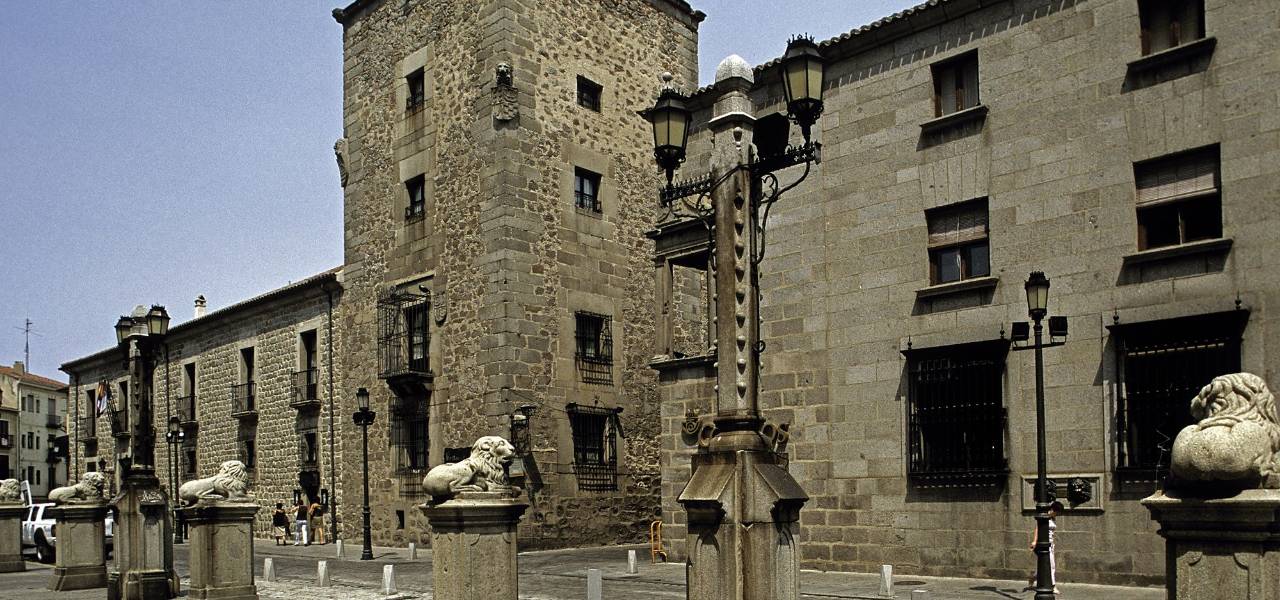
 Palacio de los VeladaMás información
Palacio de estilo protorrenacentista iniciado en el siglo XVI, con una portada de alargadas dovelas y escudos sostenidos por cabezas de leones en las esquinas.Perteneció a Gómez Dávila y en él se alojaron...
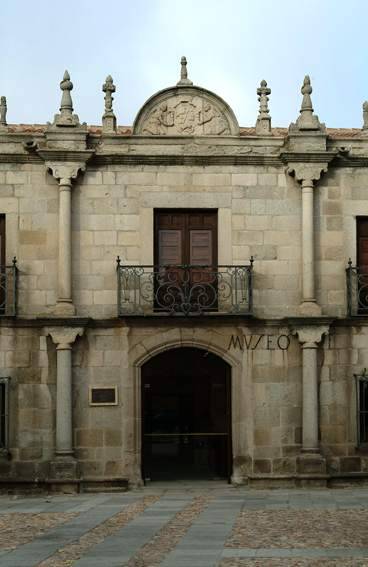 Casa de los DeanesMás información
Construcción del siglo XVI para residencia de la alta jerarquía del cabildo catedralicio, con columnas lisas con zapatas por capiteles y luneta central con el escudo catedralicio. Los balcones del piso...
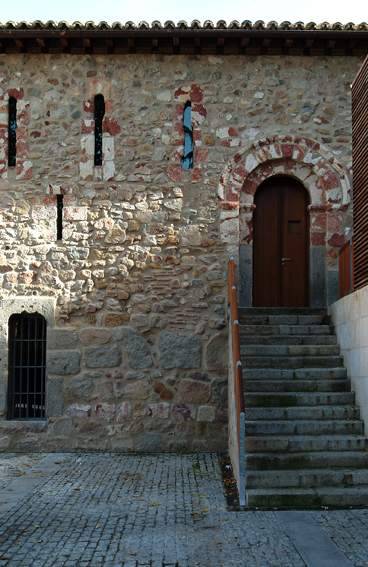 Palacio EpiscopalMás información
Es una obra románica que se construyó en mampostería y sillería, con fábrica renovada en las esquinas. Es rectangular y tiene dos plantas; adherido a la muralla y con tres fachadas. La planta inferior...
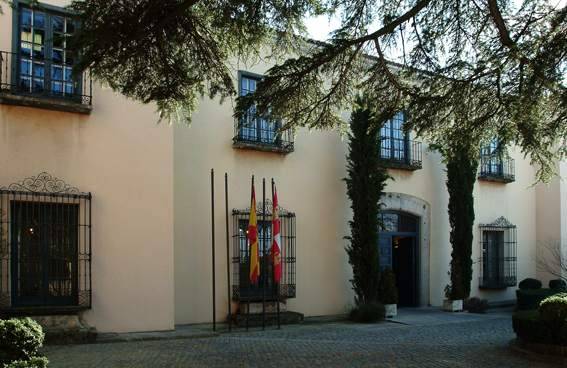 Palacio de Santa Cruz o BracamonteMás información
Palacio de los Bracamonte, una familia de origen francés instalada en Ávila desde la Repoblación. Fue mandado construir a comienzos del siglo XVI y actualmente es la sede de la Delegación de Cultura de...
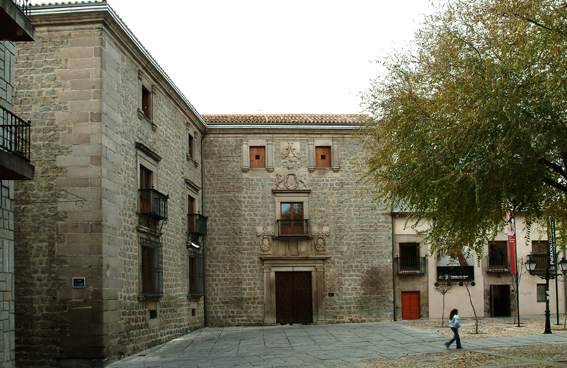 Palacio de los SerranoMás información
Este palacio renacentista data del siglo XVI y se encuentra extramuros. Perteneció a la noble familia de los Serrano y ha estado al servicio de diversas instituciones siendo actualmente Espacio Cultural...
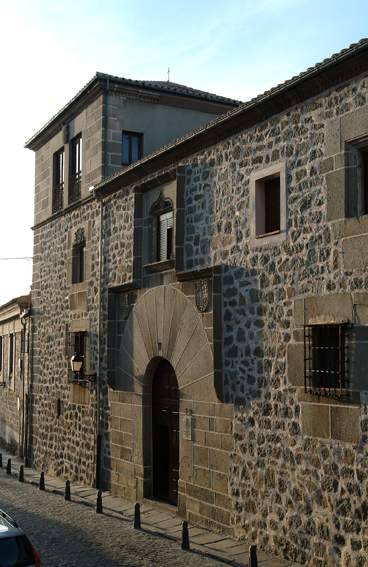 Palacio de los AlmarzaMás información
El edificio fue construido a principios del siglo XVI, de clásico portón abulense y asociado con ventana conopial y enmarcado todo bajo un fino y labrado alfiz. En la actualidad, este Palacio es el convento...
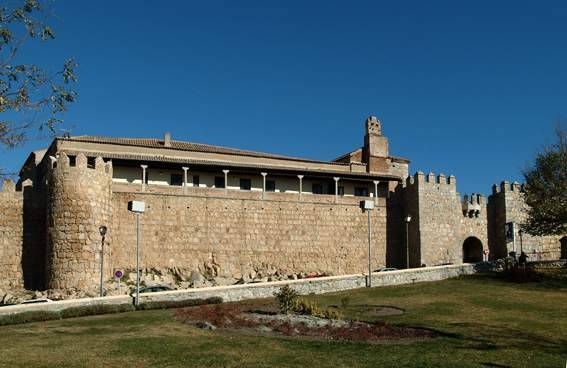 Palacio de Blasco Núñez VelaMás información
Edificio construido en el siglo XVI, de fachada plateresca y decorado con columnas ingrávidas en sus ventanas, rematadas por flameros. Este Palacio de Blasco Núñez Vela conserva un patio renacentista y,...
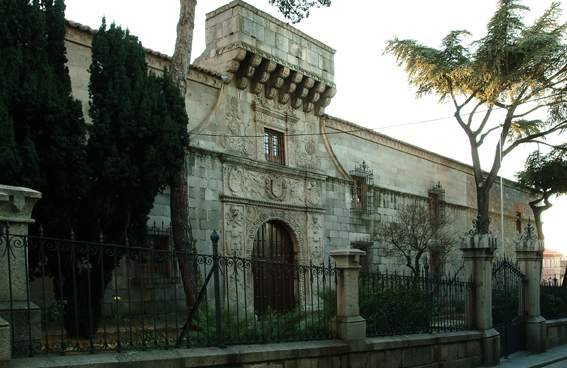 Palacio de los PolentinosMás información
Palacio construido en el XVI con portada plateresca decorada con motivos militares, coronas, palmas griegas, y tiene además un patio renacentista. Actualmente, alberga la Academia Militar de Intendencia....
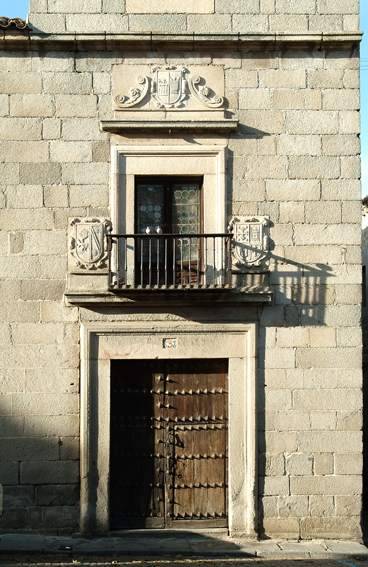 Palacio SuperundaMás información
Palacio construido a principios del siglo XVI con influencia italiana. Fue casa de Ochoa de Aguirre, y el nombre se debe al conde de Superunda y Marqués de Bermudo, don José Manso de Velasco y Chaves que...