Rota Isabel - Segóvia
- Antigo
- Seguindo
Em 1461, após o nascimento de Joana de Castela, filha do rei Henrique IV e da sua esposa Joana de Portugal, o irmão e a irmã do rei (Isabela e Afonso) foram trazidos para a cidade de Segóvia, onde a corte estava reunida, a fim de ser vigiado mais de perto pelo monarca.
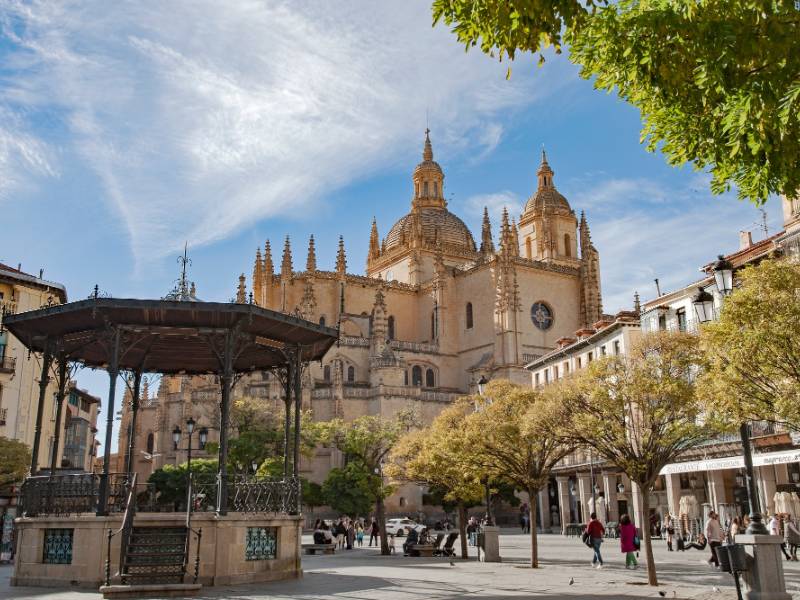
Em 12 de dezembro de 1474, Isabel estava na Fortaleza Real de Segóvia quando recebeu a notícia da morte de seu irmão, o rei Henrique. Arranjos foram feitos rapidamente para a proclamação de Isabella como Rainha no dia seguinte. A Catedral de Segóvia também testemunhou o encontro entre Isabel e seu marido Fernando após sua proclamação como Rainha de Castela.
Referência ao conteúdo
O que ver?
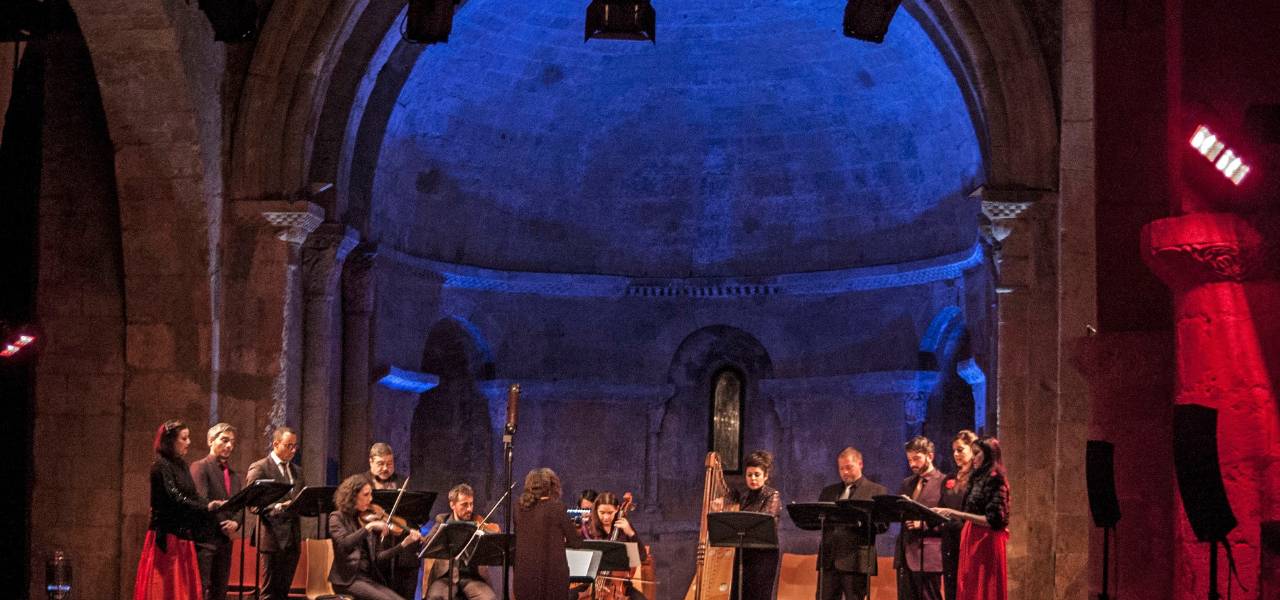 Semana de Música Sacra de SegóviaMais Informações
Coincidindo com a Semana Santa, a Fundação Juan de Borbón organiza todas as primaveras a Semana da Música Sacra de Segóvia , um dos ciclos mais antigos do panorama musical espanhol. A programação de cada...
- Data
- aprox del 20 de marzo al 15 de abril
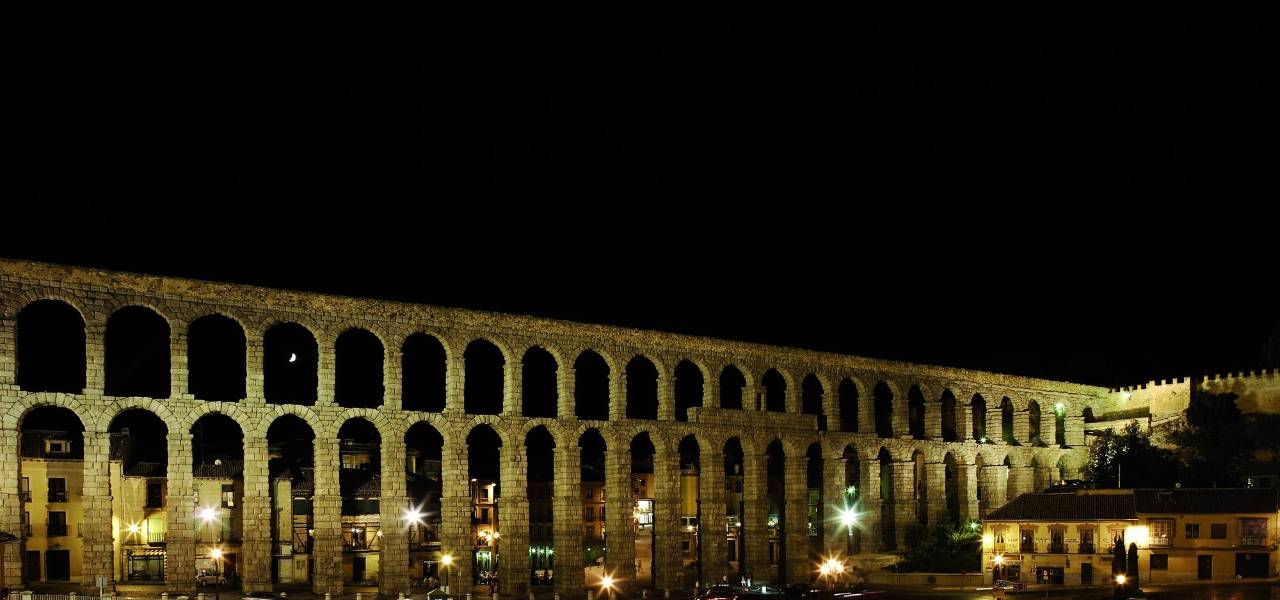 SegóviaMais Informações
Num enclave privilegiado com a Serra de Guadarrama como pano de fundo, a sul da Comunidade de Castela e Leão, ergue-se a histórica cidade de Segóvia. Descubra os monumentos excepcionais que fazem de Segóvia...
 Real Alcázar de SegóviaMais Informações
O terreno que hoje ocupa deve ter sido palco de importantes fortificações desde a antiguidade, visto que as condutas de água do aqueduto desembocam no Alcázar. No local de sucessivas fortificações romanas,...
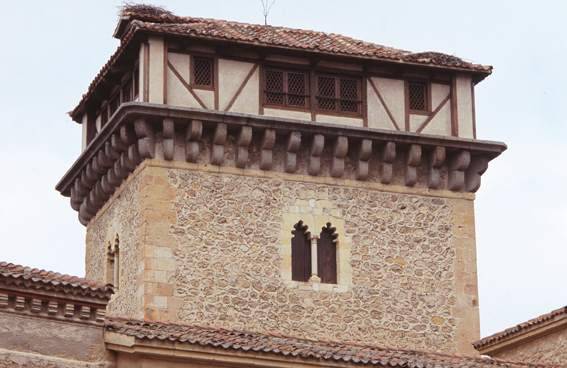 Torre de Hércules (Convento de Santo Domingo) Convento Madre DominicanaMais Informações
Construída no século XIII como casa-fortaleza e convento de freiras dominicanas de 1513, estão esculpidas figuras policromadas com técnicas dos séculos XV e XVI. Corte gótica, pedestais mudéjares na torre...
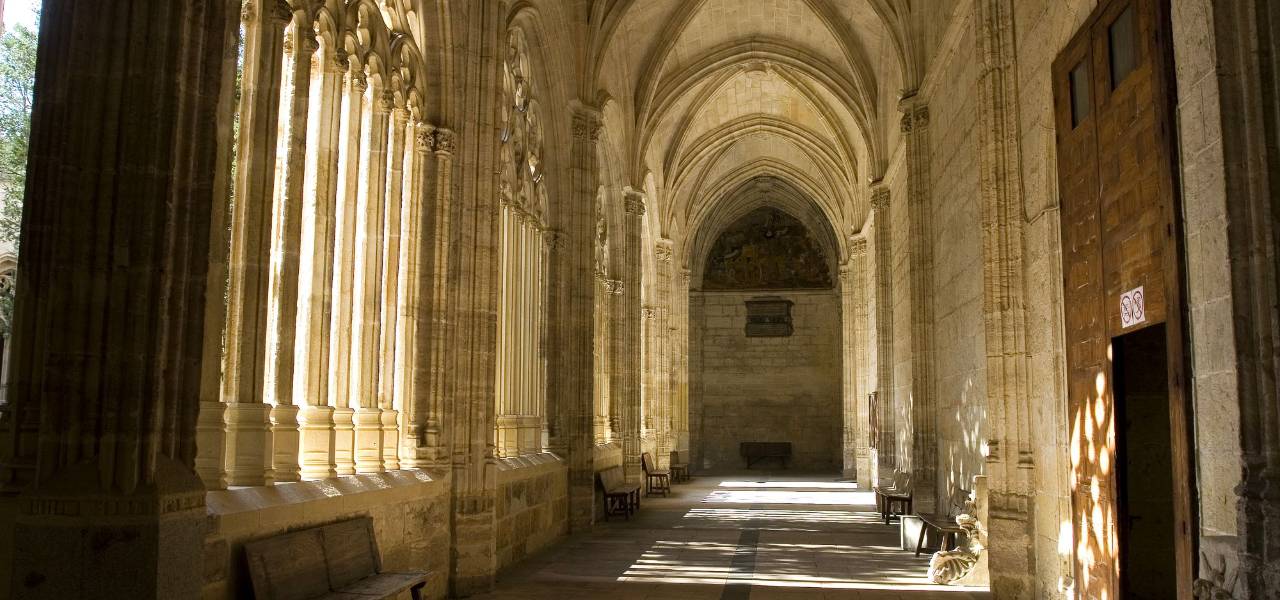 Catedral de SegóviaMais Informações
Possui um belíssimo traçado, de um barroco radiante que se manifesta em todos os seus retábulos e uma torre que é uma das mais altas de toda a Espanha. Ela ganhou o título de Senhora das Catedrais pela...
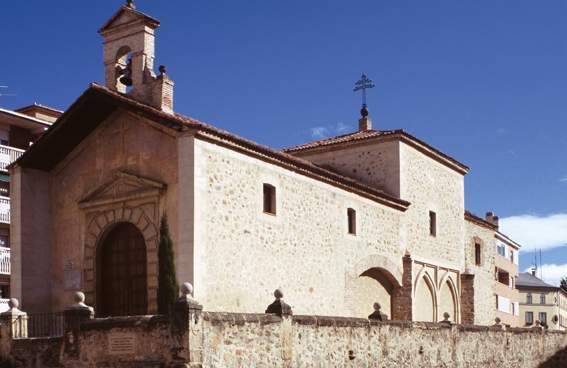 Ermida do Cristo del MercadoMais Informações
A sua construção remonta aos primeiros anos do século XV, coincidindo com a chegada à cidade de San Vicente Ferrer. É um templo de fácil traçado, constituído por uma nave única rectangular. Os vestígios...
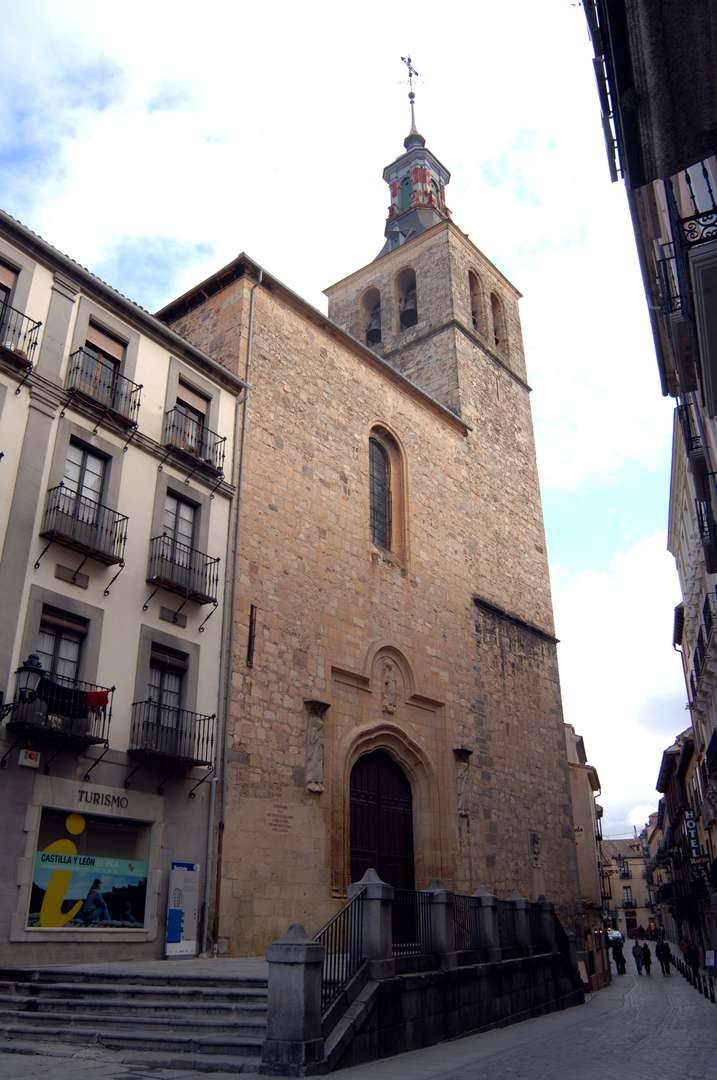 Igreja Real de São MiguelMais Informações
A Igreja Real de São Miguel está localizada na Praça Maior de Segóvia, dentro do recinto amuralhado desta cidade, declarada Conjunto Histórico por Decreto de 12 de julho de 1941. Centro de vida e organização...
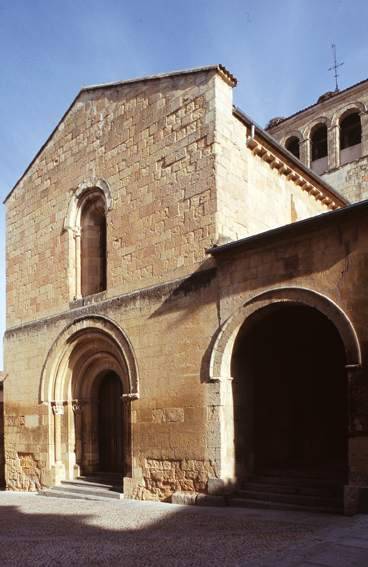 Igreja da TrindadeMais Informações
Igreja românica simples com pinturas de Benson e Pontormo. É constituída por nave única com abóbada de berço e no exterior duas interessantes frentes e um átrio no lado sul. Contém uma Santa Faz de Ambrosius...
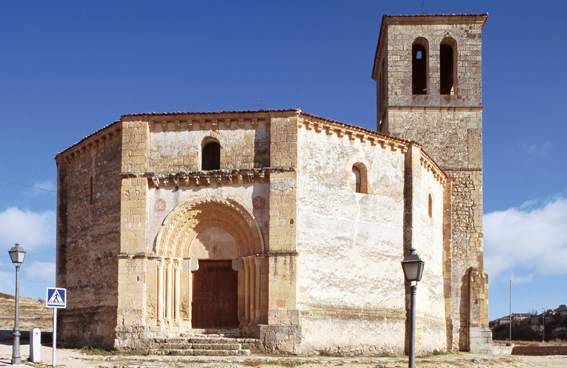 Igreja da Vera CruzMais Informações
Igreja templária de 1208. tem planta poligonal (12 lados), torre quadrada saliente e frentes simples. Estruturado em torno de um edifício central de dois andares com ambulatório. A seção inferior parece...