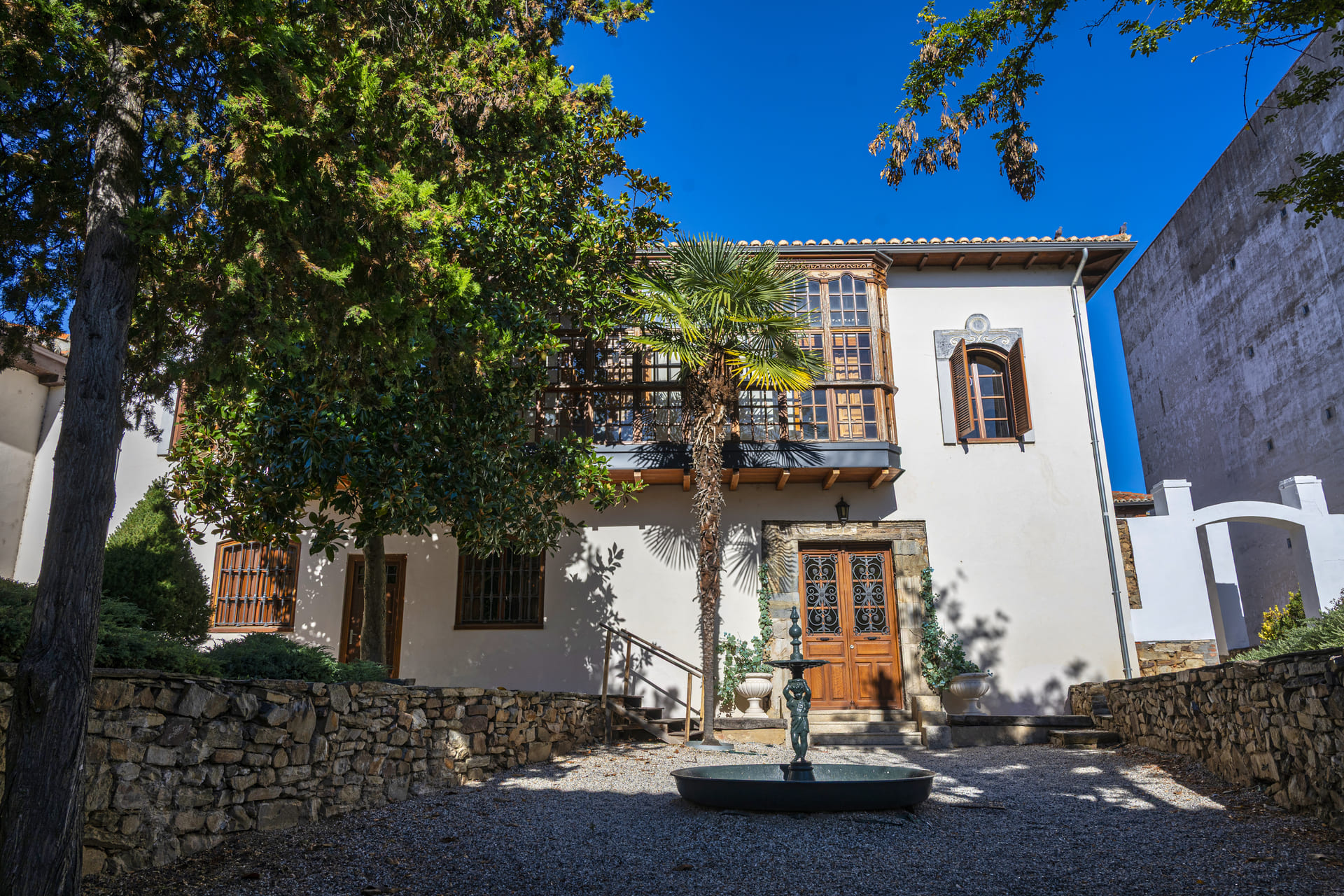
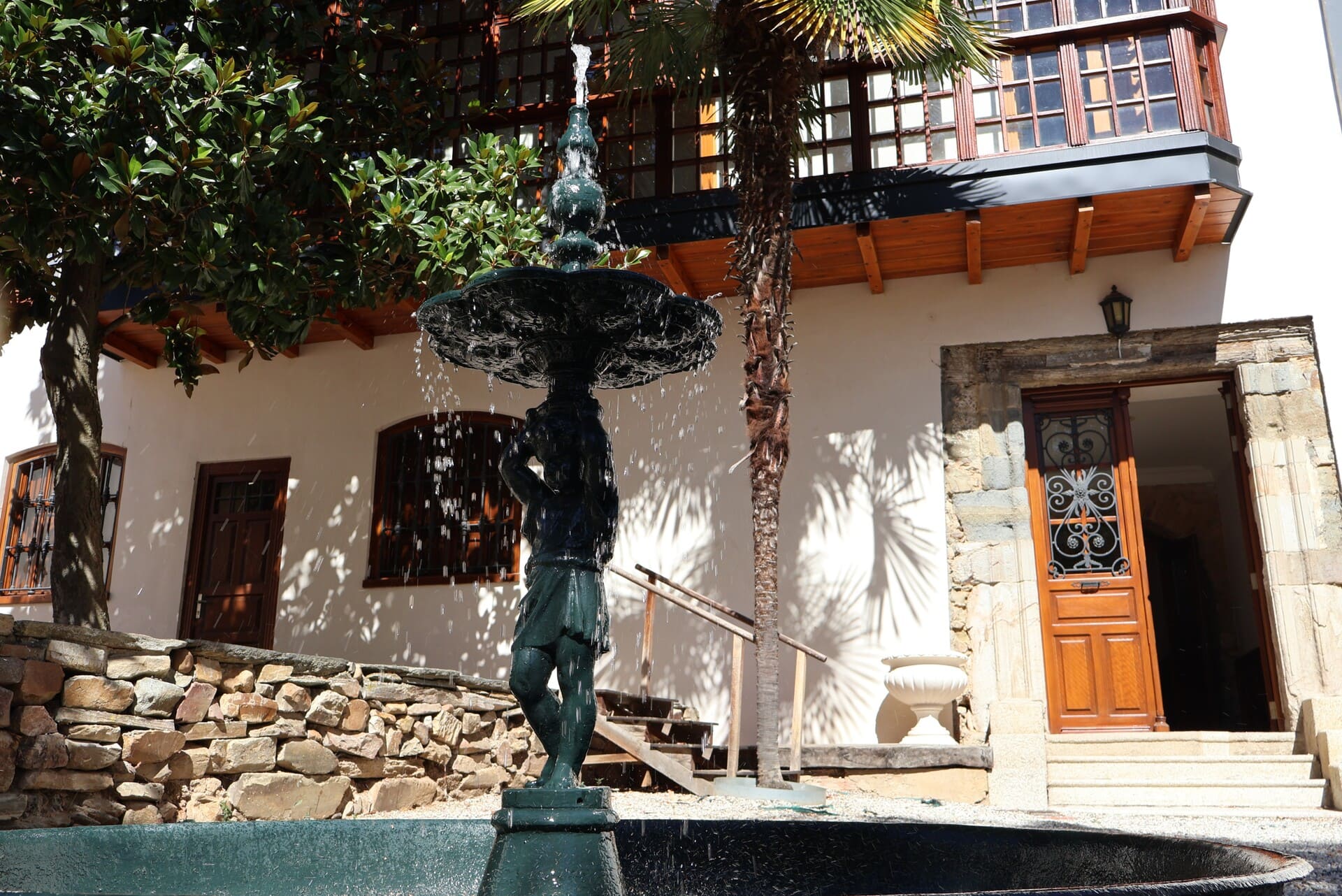
This is a colonial-style house that belonged to the Panero family and was originally built in the 17th century, although it has undergone numerous renovations over the years. In the mid-19th century, the house was acquired by Leoncio Núñez, Leopoldo Panero's great-uncle. Leoncio Núñez settled in the house after returning from America with a considerable fortune, and at the end of his life, he bequeathed it to his nephew Moisés Panero, Leopoldo's father. Leopoldo Panero, along with his parents and siblings, began living in the house in 1924.
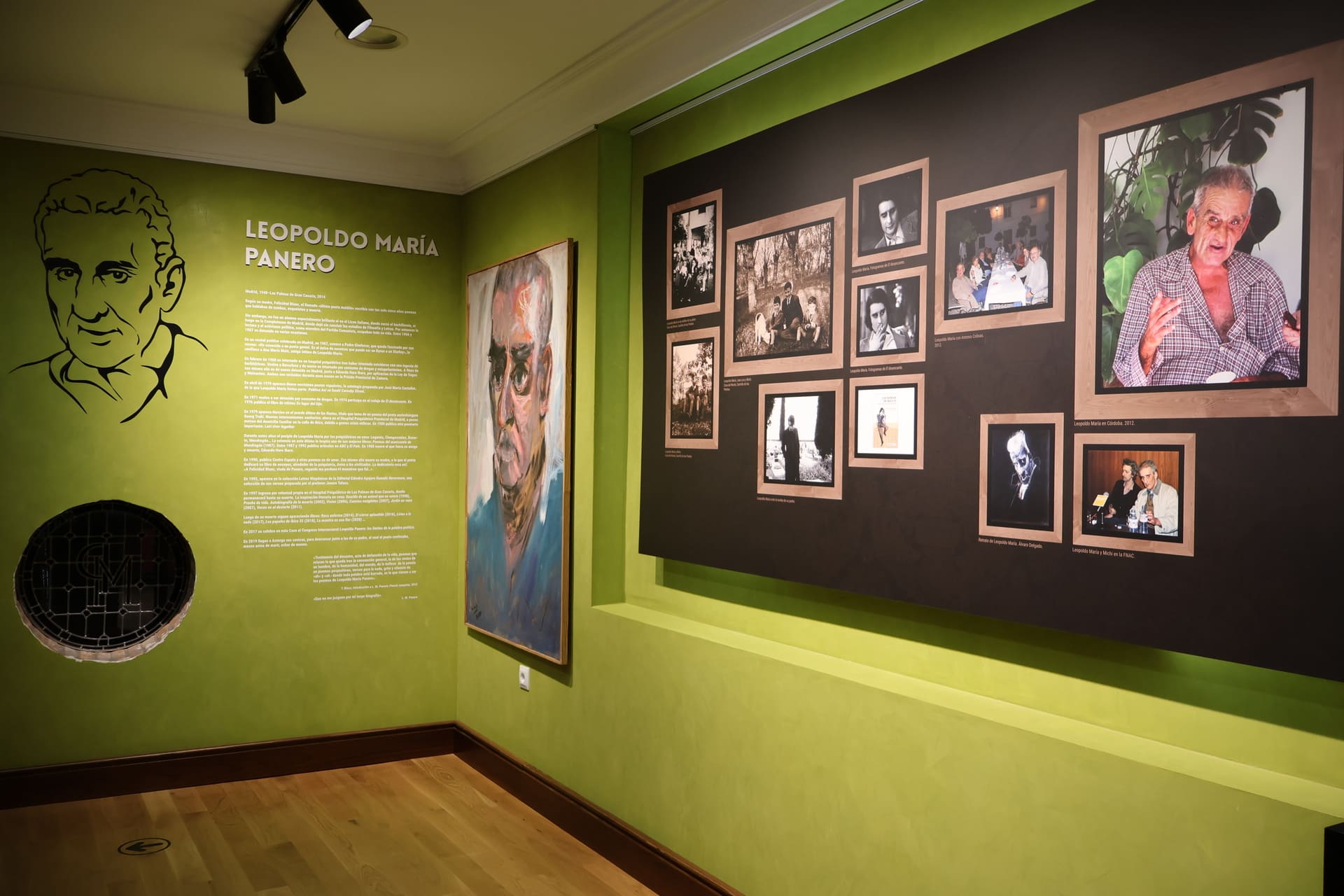
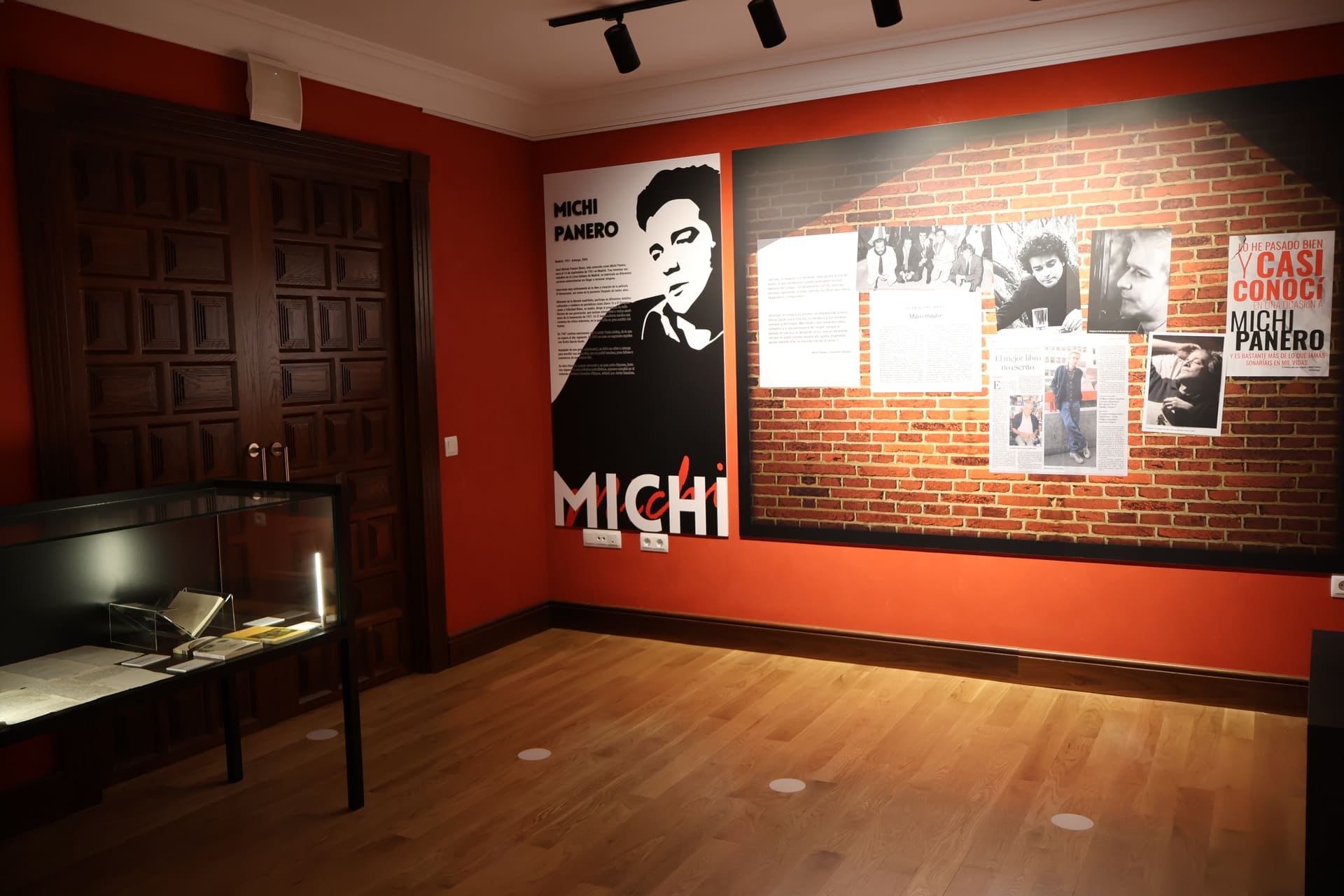
After inheriting the house in the early 1950s, Leopoldo lived there with his wife, Felicidad Blanc, and their three children: Juan Luis, Leopoldo María, and José Moisés, known as "Michi." The couple lived in different cities and even abroad, but they always considered this house their family home, the one that connected them to their roots and to which they returned for holidays and rest. In the nearby town of Castrillo de las Piedras, the family also owned a summer house where they often spent their vacations when they came to Astorga.
Following Leopoldo Panero's death in 1962, the family gradually lost its connection to Astorga. Furthermore, the financial difficulties they began to experience from that point onward led to the house being abandoned and falling into disrepair. After the Astorga City Council acquired the house in 2003, restoration work began the following year, and it was subsequently converted into a museum, opening to the public as the Casa Panero Museum in October 2022.
After their father's death, the family dispersed and lost all ties to Astorga and this house. The youngest son, Michi, was the last to live there, passing away in 2004. The Astorga City Council acquired the house when it was in a state of disrepair due to neglect and lack of maintenance. The council undertook the house's restoration in several phases, and once the rehabilitation was complete, it housed a museum dedicated to prominent figures in the local cultural scene, as well as the " Astorga School," which includes members of the Panero family.
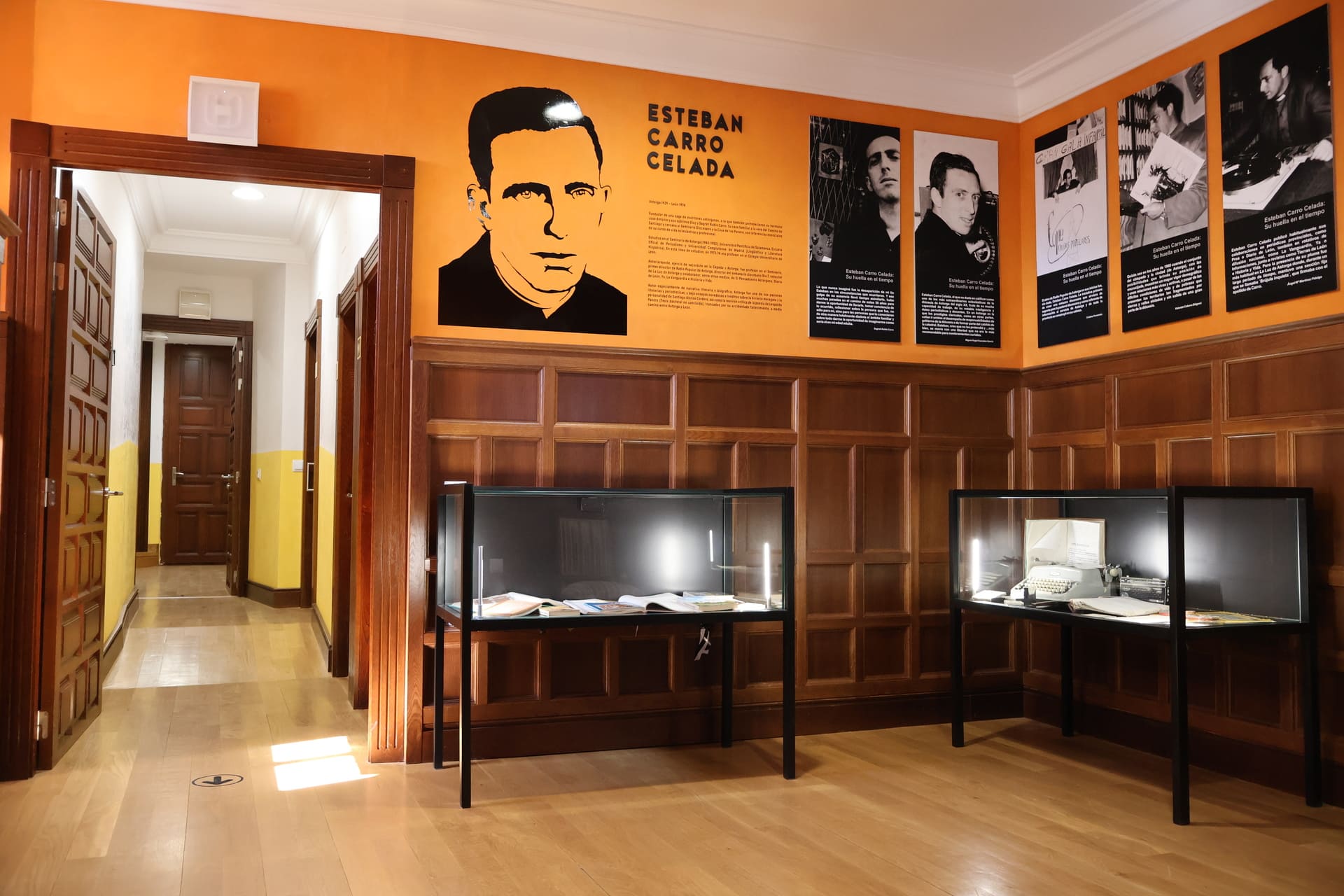
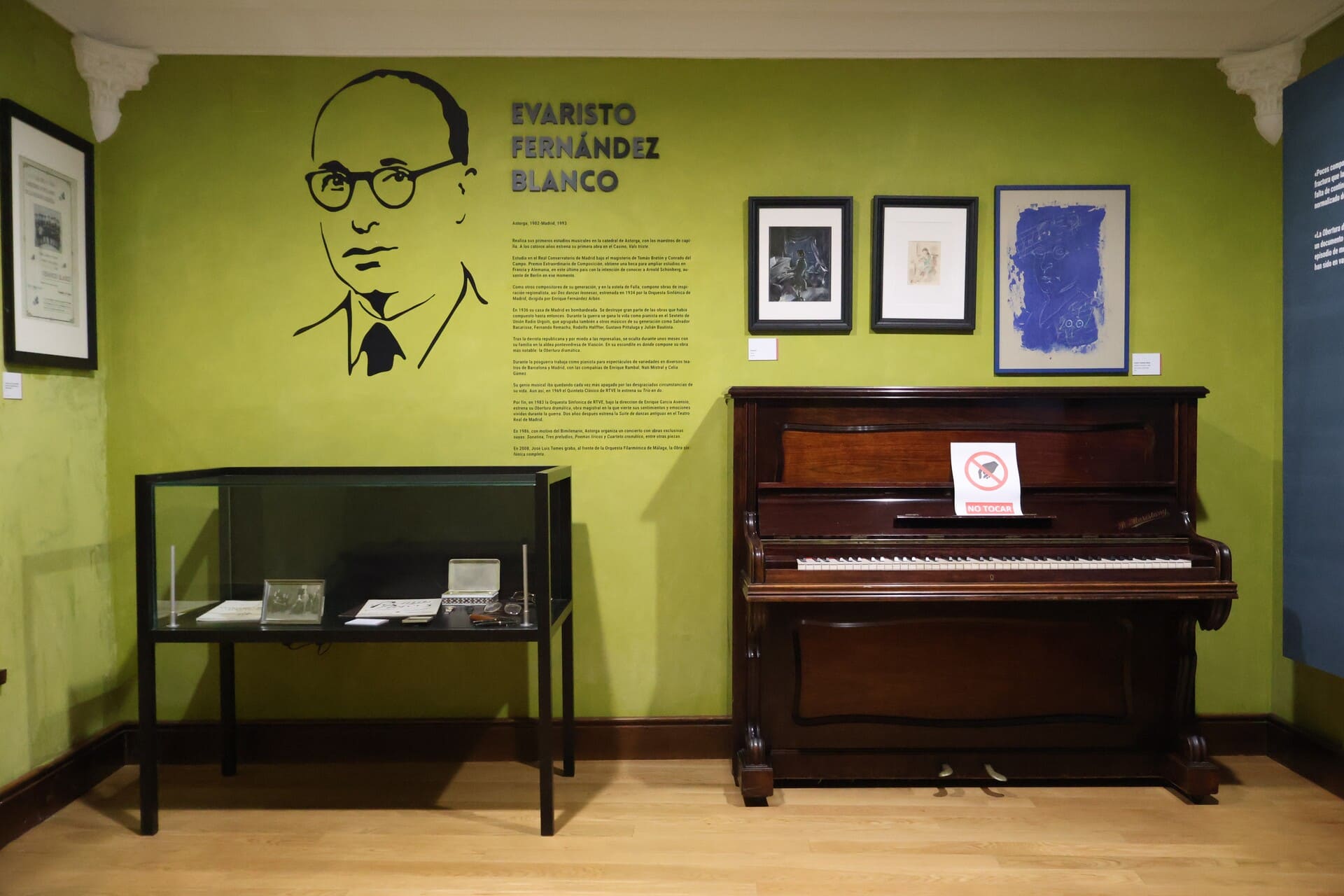
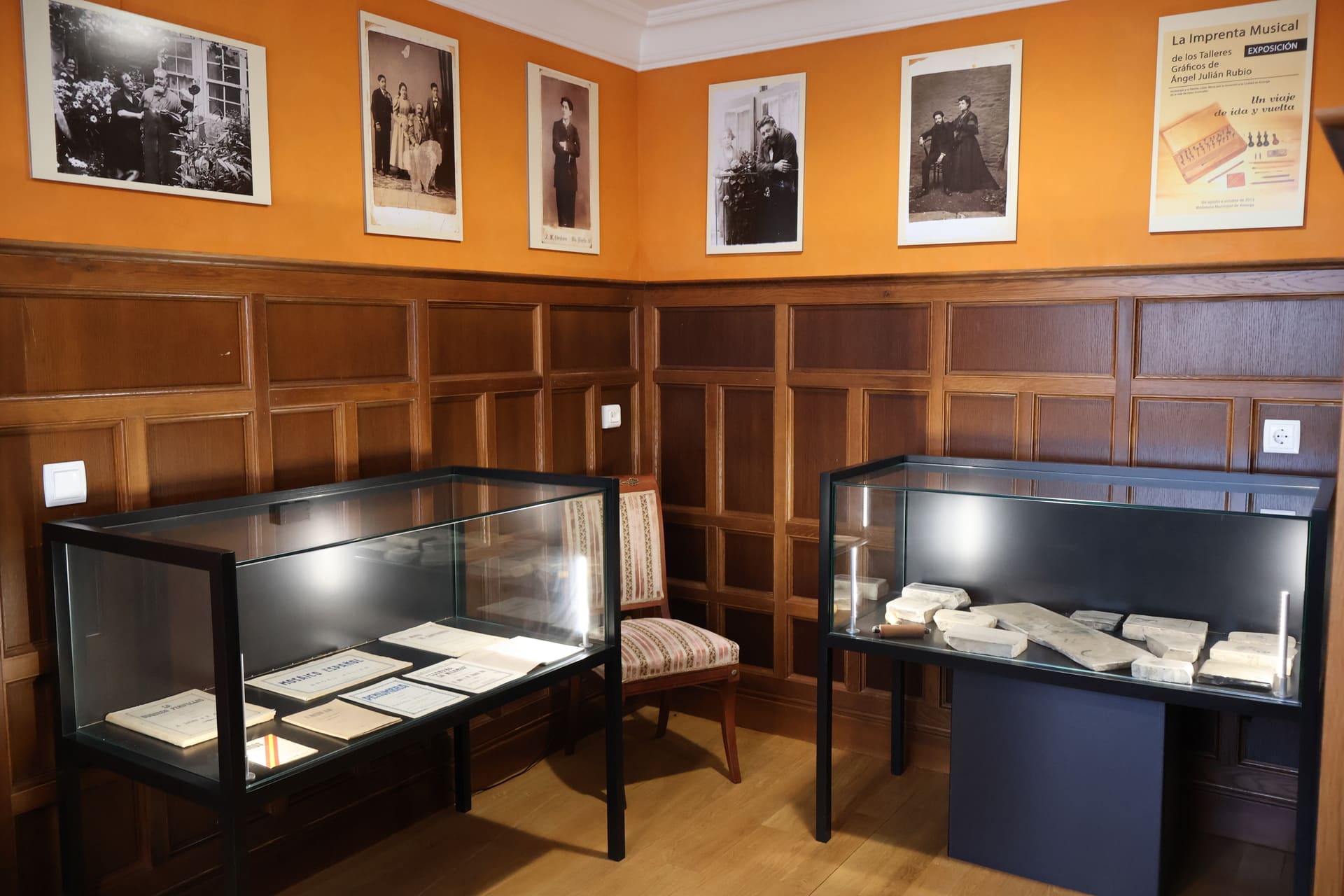
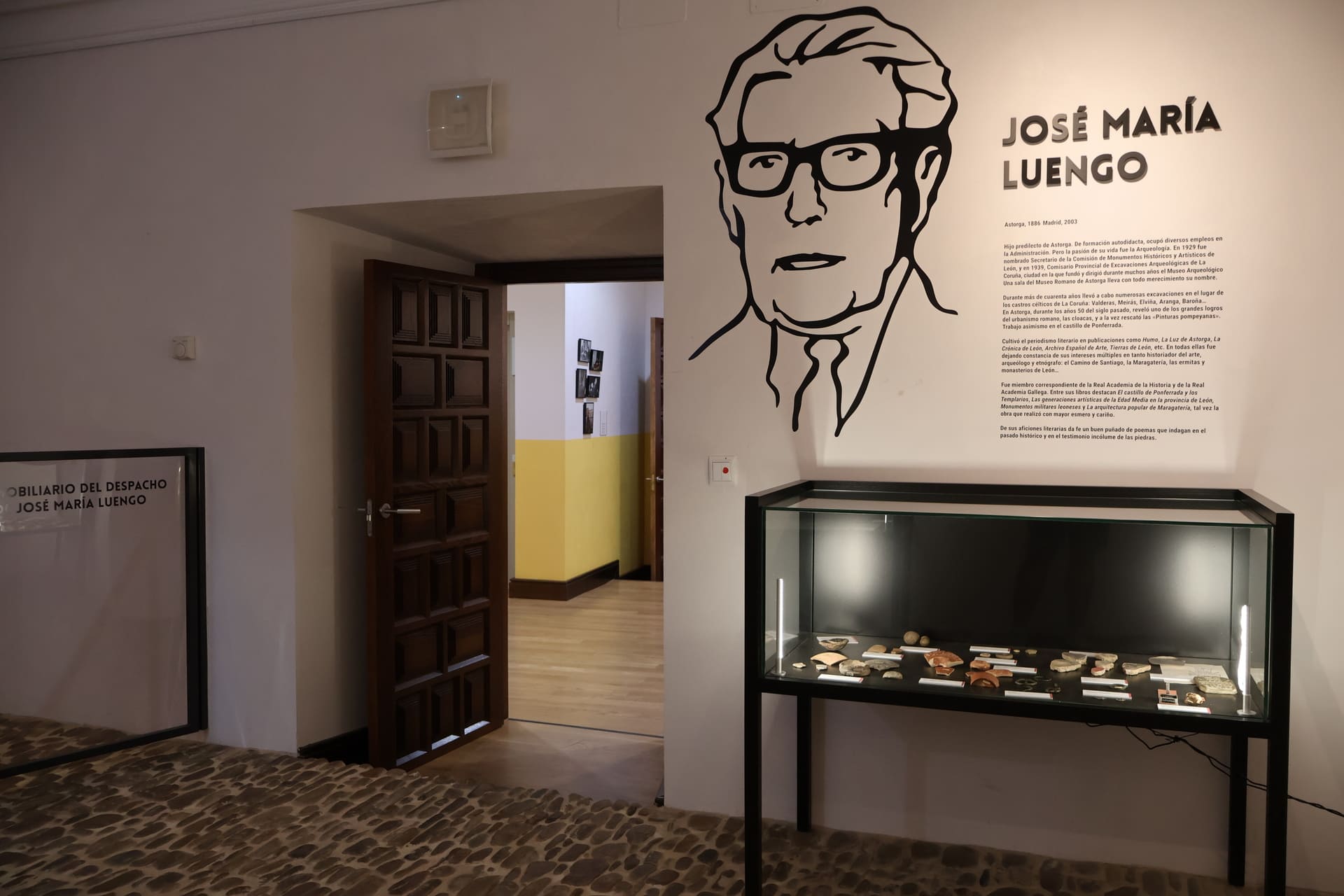
The house has two floors. On the first floor, we can learn about people born in Astorga in the 19th and 20th centuries who stood out in different fields of the cultural world, such as: Evaristo Fernández Blanco, musician and composer; Luis Alonso Luengo, historian, writer, jurist, and official chronicler of the city; José María Luengo, prominent local archaeologist who discovered, among other things, the Roman sewers and was also an ethnologist dedicated to the study of the Maragato culture and customs; Charo Alonso Panero, writer and niece of Leopoldo Panero; Javier de la Rosa, Charo's husband and also a multidisciplinary artist; Esteban Carro Celada , priest with a long career as a journalist, teacher, and writer; and Ángel Julián Rubio, writer, musician, and prominent printer specializing in musical scores.
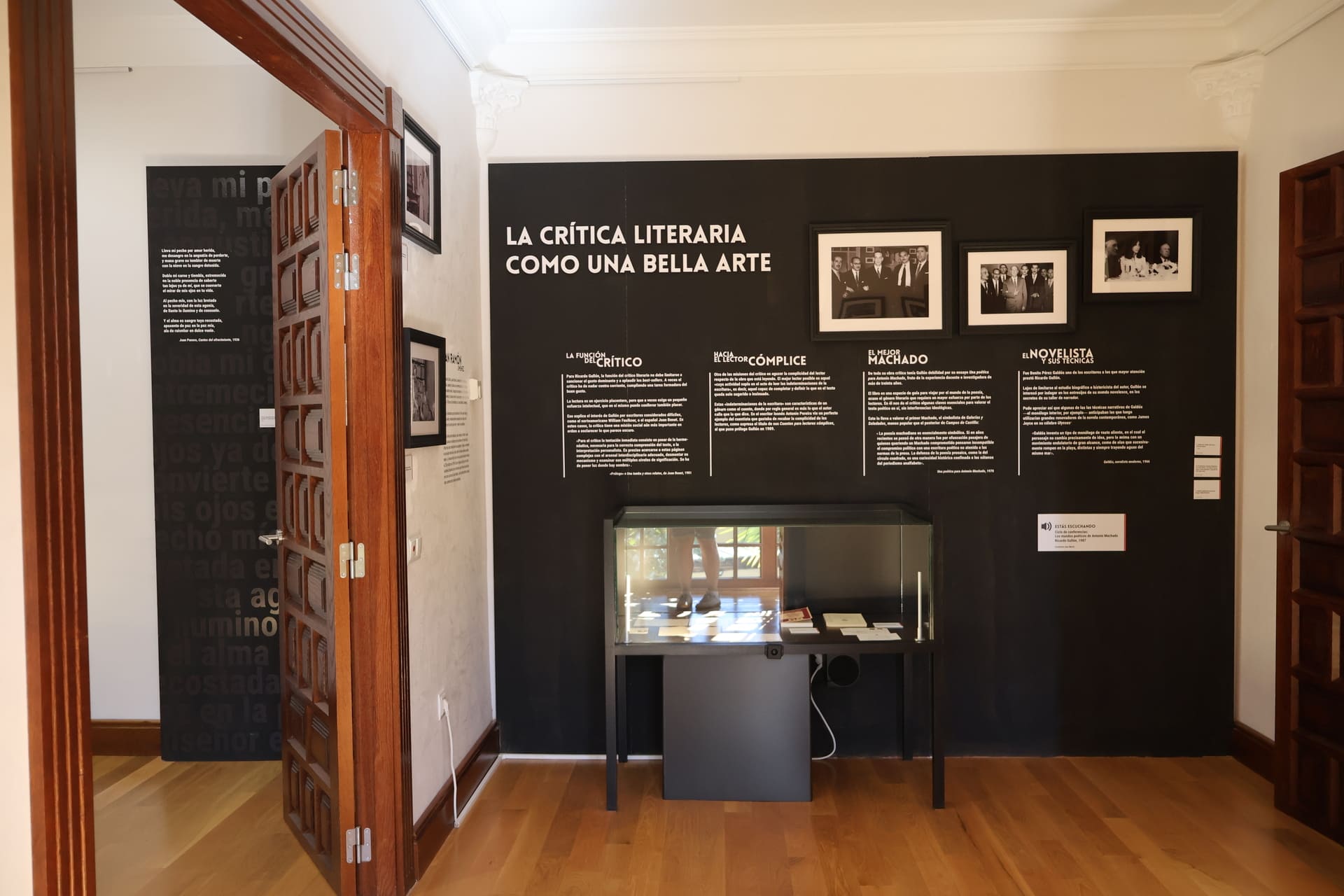
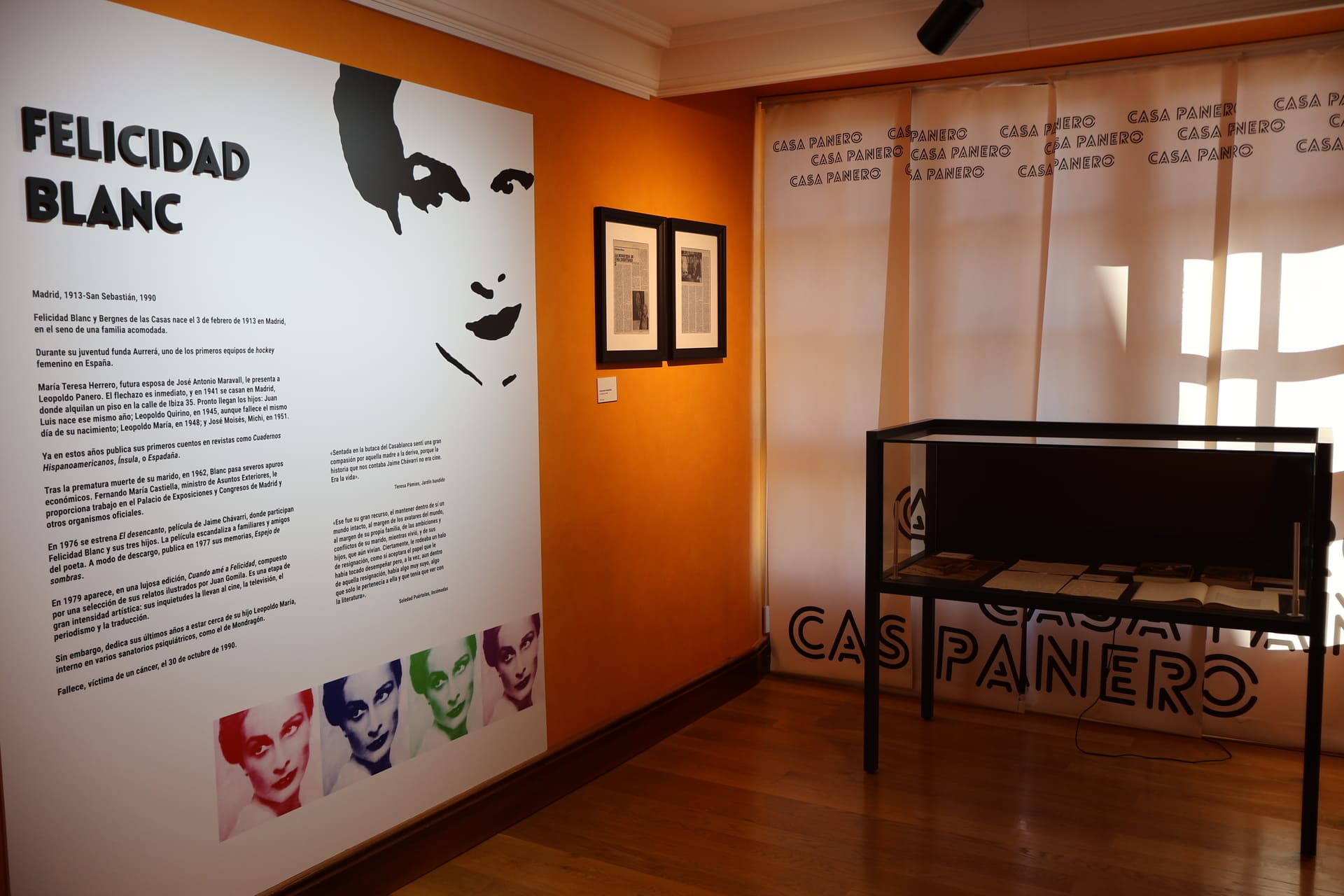
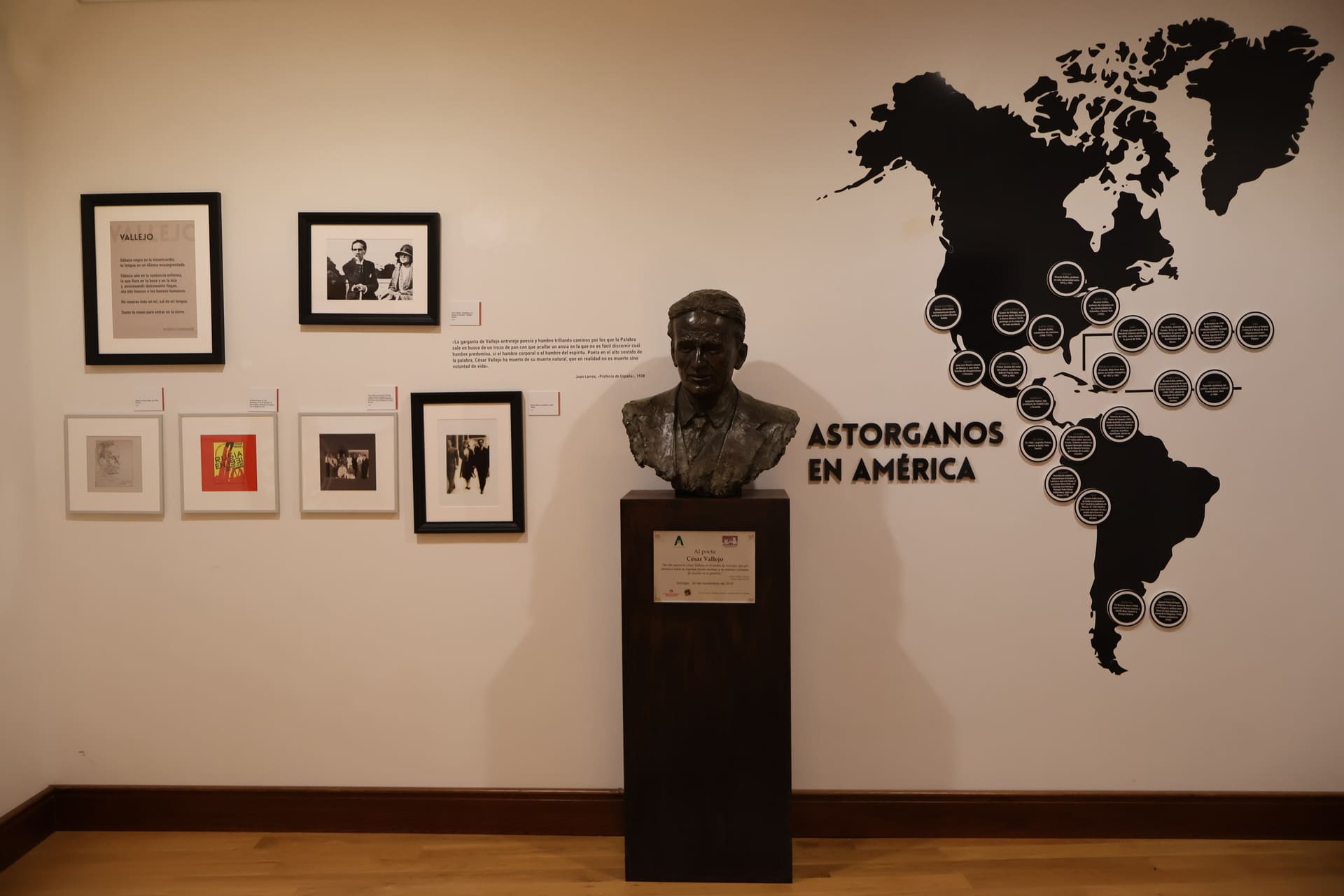
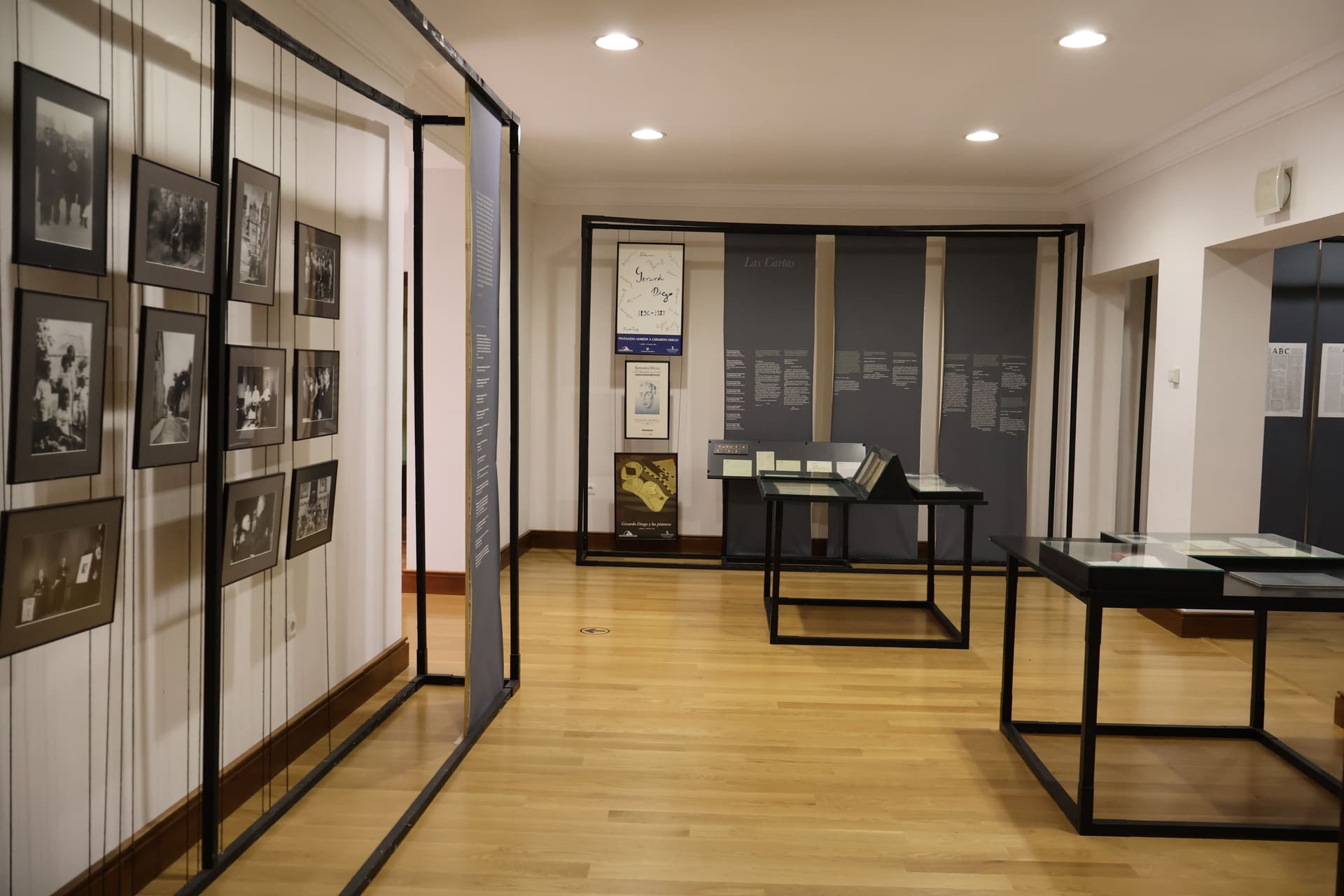
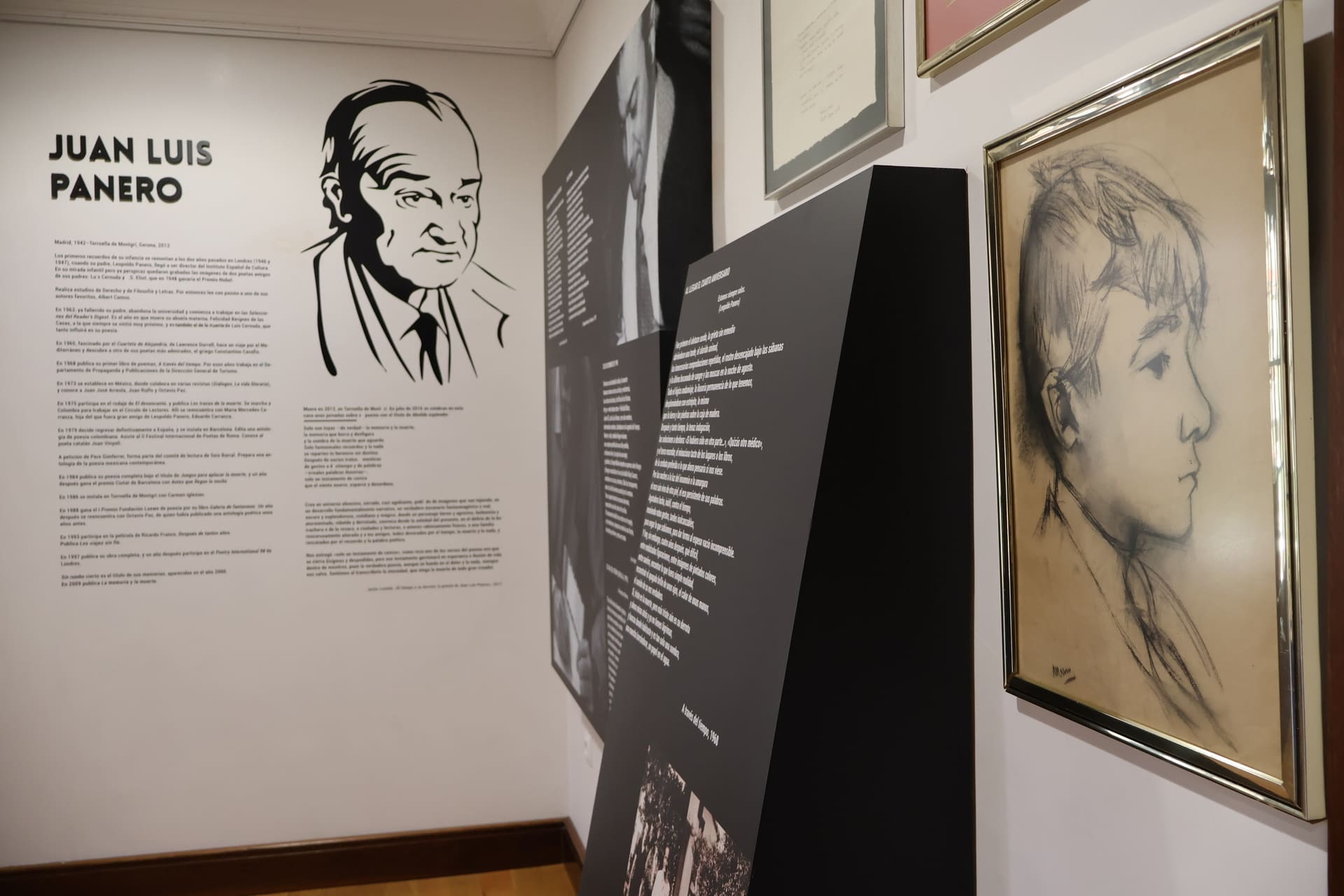
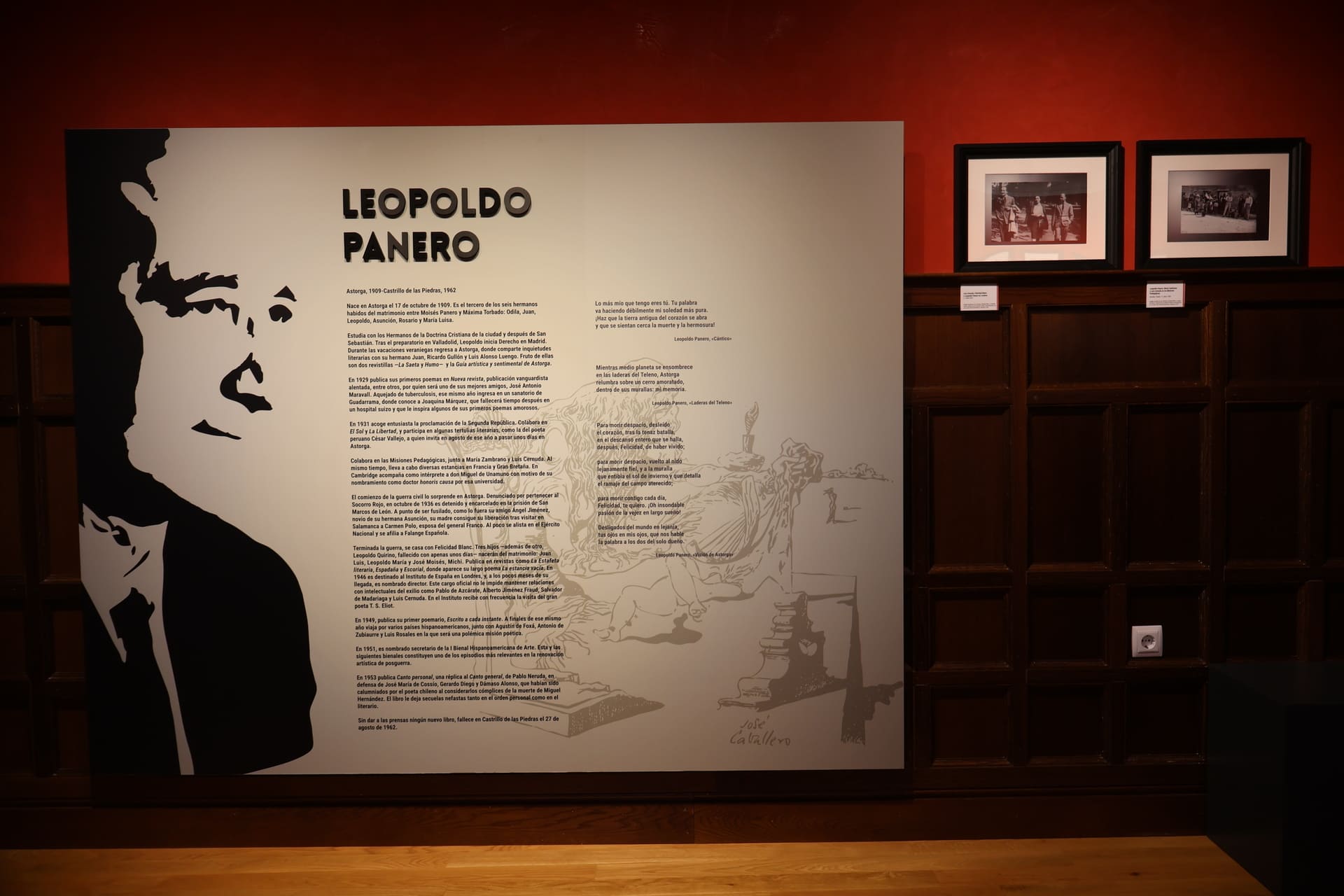
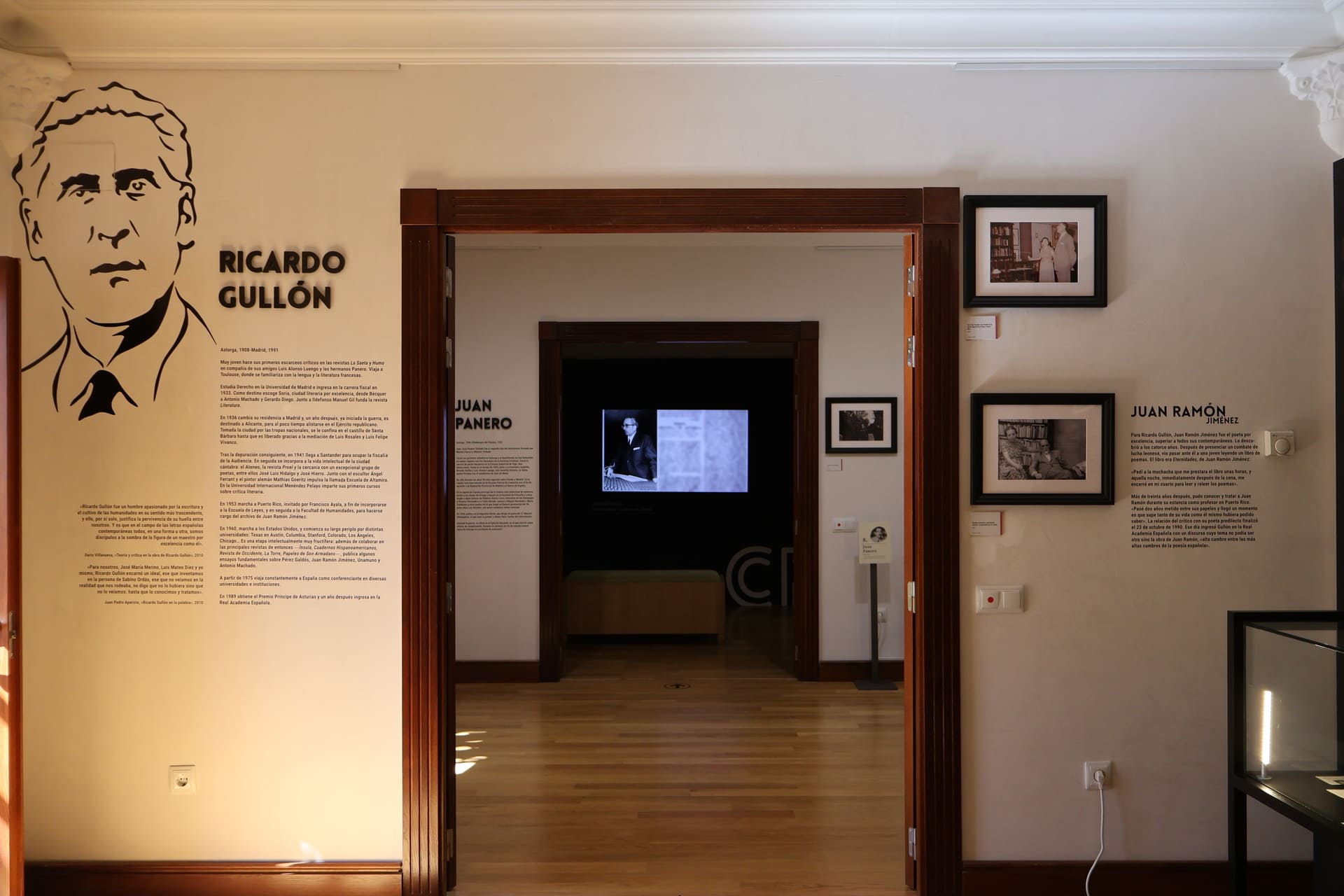
As we ascend the stairs, we see a reproduction of the house's original stained-glass window with the initials "MP" (Moisés Panero), Leopoldo's father. On the first floor, we find the collections most closely linked to literature and the group of authors that Gerardo Diego christened "The Astorga School," with rooms dedicated to Leopoldo Panero, Juan Panero, and Ricardo Gullón. There are also spaces dedicated to Felicidad Blanc, Leopoldo's wife, and to the couple's three sons: Juan Luis, Leopoldo María, and Moisés, known as "Michi." Complementing these collections are other rooms dedicated to authors such as Gerardo Diego and César Vallejo, who maintained a close friendship with the Panero family and visited their home in Astorga on several occasions.
During the visit to this area of the house, you can listen to audio recordings of the authors reciting their works, watch videos about the cultural life that was experienced in the house and in Astorga, read some manuscripts and publications from that time and, in short, discover the entire artistic and literary atmosphere that developed in the home of the Panero family.