Experiencing Holy Week in Castilla y León means enjoying one of the most important moments in the region. Holy Week transports us to the most significant moments in the history of thousands of towns and cities, which have preserved their authenticity and traditions in celebrations of great importance. Here, members of religious brotherhoods, locals, and tourists come together, sharing ancestral rites and moments in the streets and squares of these towns and cities.
Holy Week in Castilla y León is a great time for street art. The largest exhibition of sacred street art features works by the most distinguished religious sculptors. Gregorio Fernández, Juan de Juni, Diego de Siloé, Alejo de Vahía, Salvador Carmona, Víctor de los Ríos, Luisa Roldán 'La Roldana', Ramón Álvarez, and Ricardo Flecha, among many others.
Castilla y León showcases its best during Holy Week and takes to the streets, so thousands of visitors and tourists can experience and enjoy a centuries-old tradition that is renewed year after year.
Castilla y León has the largest Holy Week in the world, as shown by its universal recognition, achieving the highest honors that can be awarded and getting 36 cities and towns in the Community to have their Holy Week recognized as being of tourist interest, 9 of them with the title of International Tourist Interest (Avila, Leon, Procession of the Steps of Leon, Medina del Campo, Medina de Rioseco, Palencia, Salamanca, Valladolid and Zamora), which makes it the Spanish Community with the highest number of international recognitions. In addition, another 6 have achieved the category of National Tourist Interest with honors (Astorga, Burgos, the Descent of the Angel of Peñafiel, Ponferrada, Sahagún and Segovia).
And 22 Holy Week celebrations have been declared of Tourist Interest by Castilla y León, including Good Friday in Ágreda, Good Friday in Almanza, Aranda de Duero, Bercianos de Aliste, El Burgo de Osma, Fresno el Viejo, Fuentesaúco, La Bañeza, Covarrubias, the Romances procession in Navaluenga, Peñafiel, Soria, Sotillo de la Ribera, Tordesillas, Toro , and Villadiego . In the last year, the Holy Week celebrations of Carrión de los Condes, Benavente, Villalpando, Cuéllar , the Royal Site of San Ildefonso, and the Passion Play of Serradilla del Arroyo have been added to this group of celebrations of Tourist Interest by Castilla y León .
Traditions that have a gastronomy and especially traditional pastries, which accompany each of the moments we are going to live, discover and enjoy. Talking about the 'Dos y pingada' of Zamora, the 'Santo Potajero' in La Bañeza, the 'hornazo' of Salamanca, the candied almonds, the oiled ones or the buns and maimones, is talking about Holy Week in Castilla y León, a moment in which time stops in the Community and is transformed, filled with memories, feelings and emotions contained, to live each moment and turn it into a vital experience.
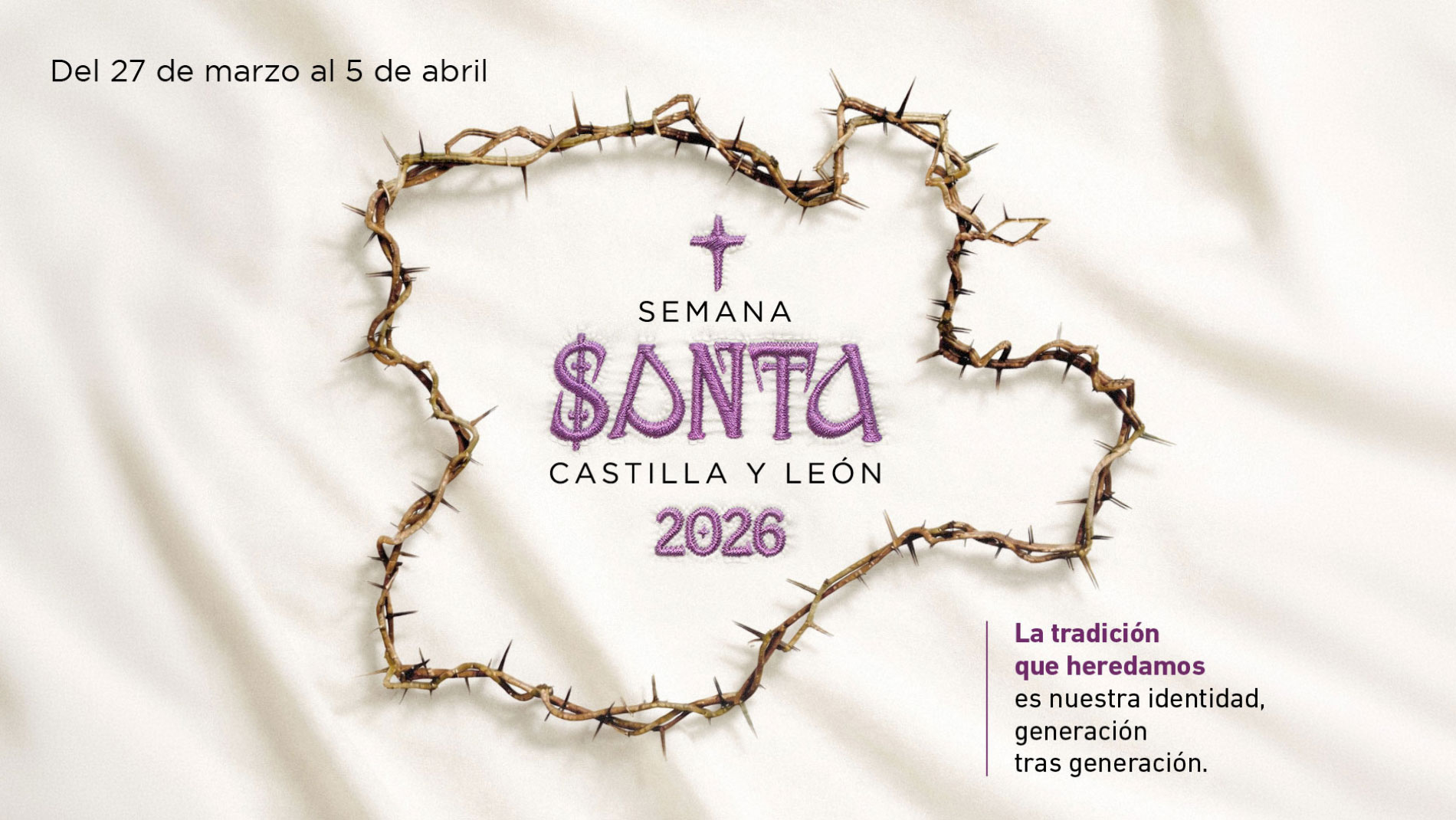
This Easter, enjoy the art and tradition of Castilla y León, combined with a wide range of rural tourism, nature tourism, food and wine tourism, and heritage sites. From March 27 to April 5, 2026, you have 10 days to experience Easter in Castilla y León. "The tradition we inherit is our identity, generation after generation."