
Route of the Mudéjar Craftsmanship in the Vía de la Plata
- Position
- Leon province
- Zamora province
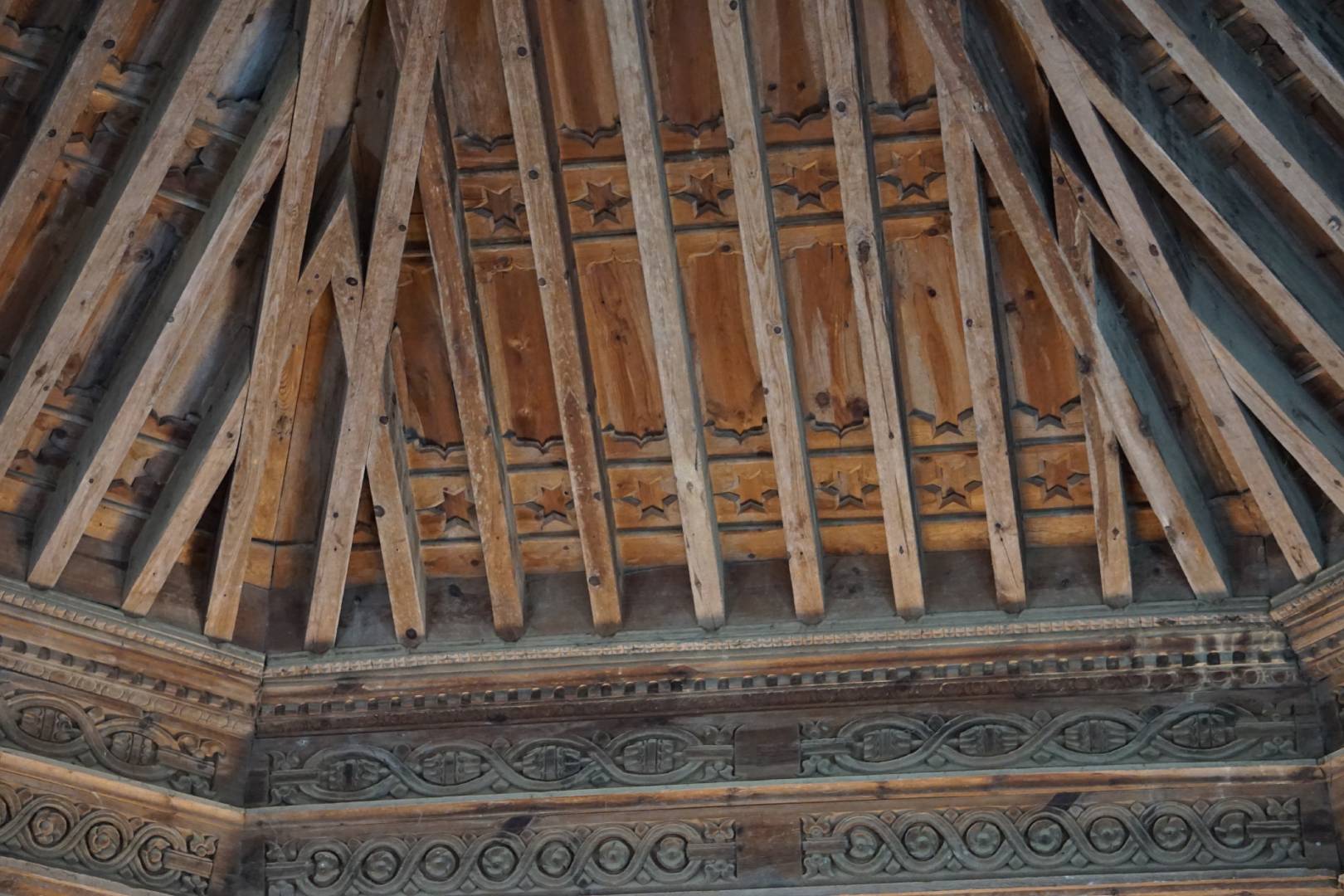
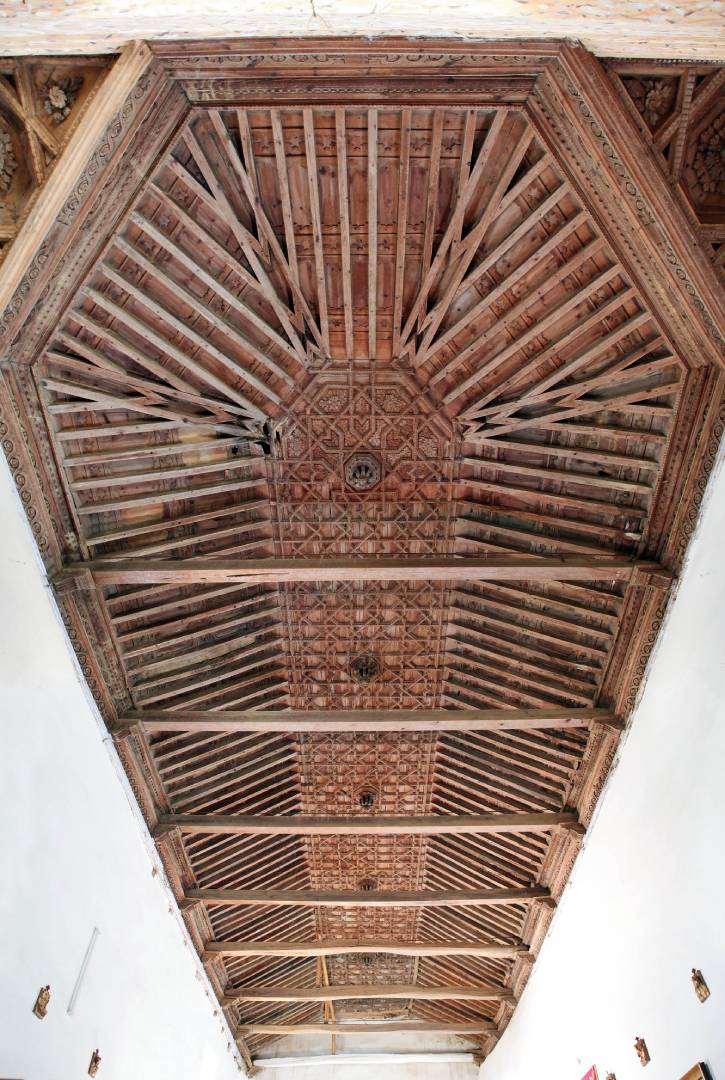
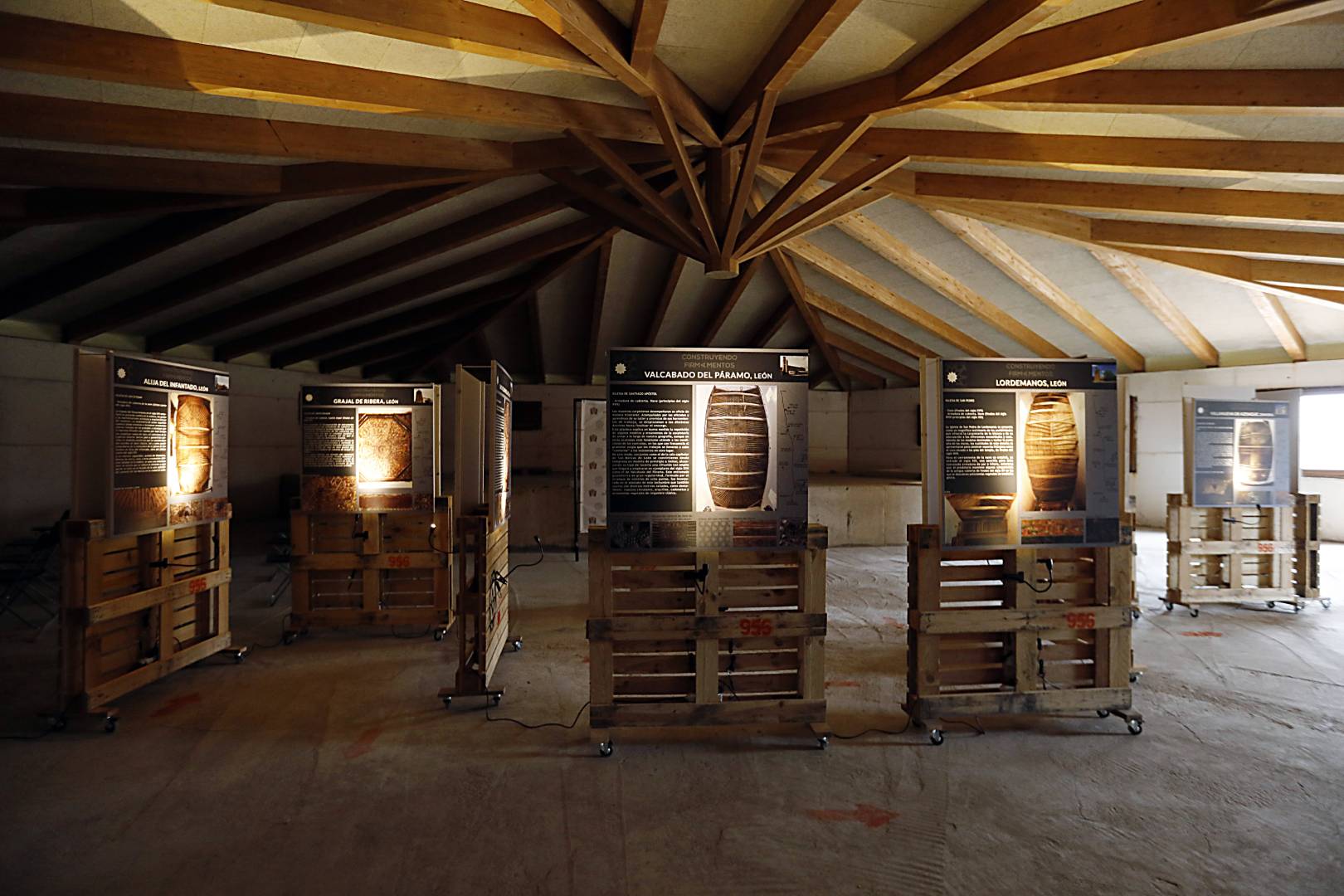
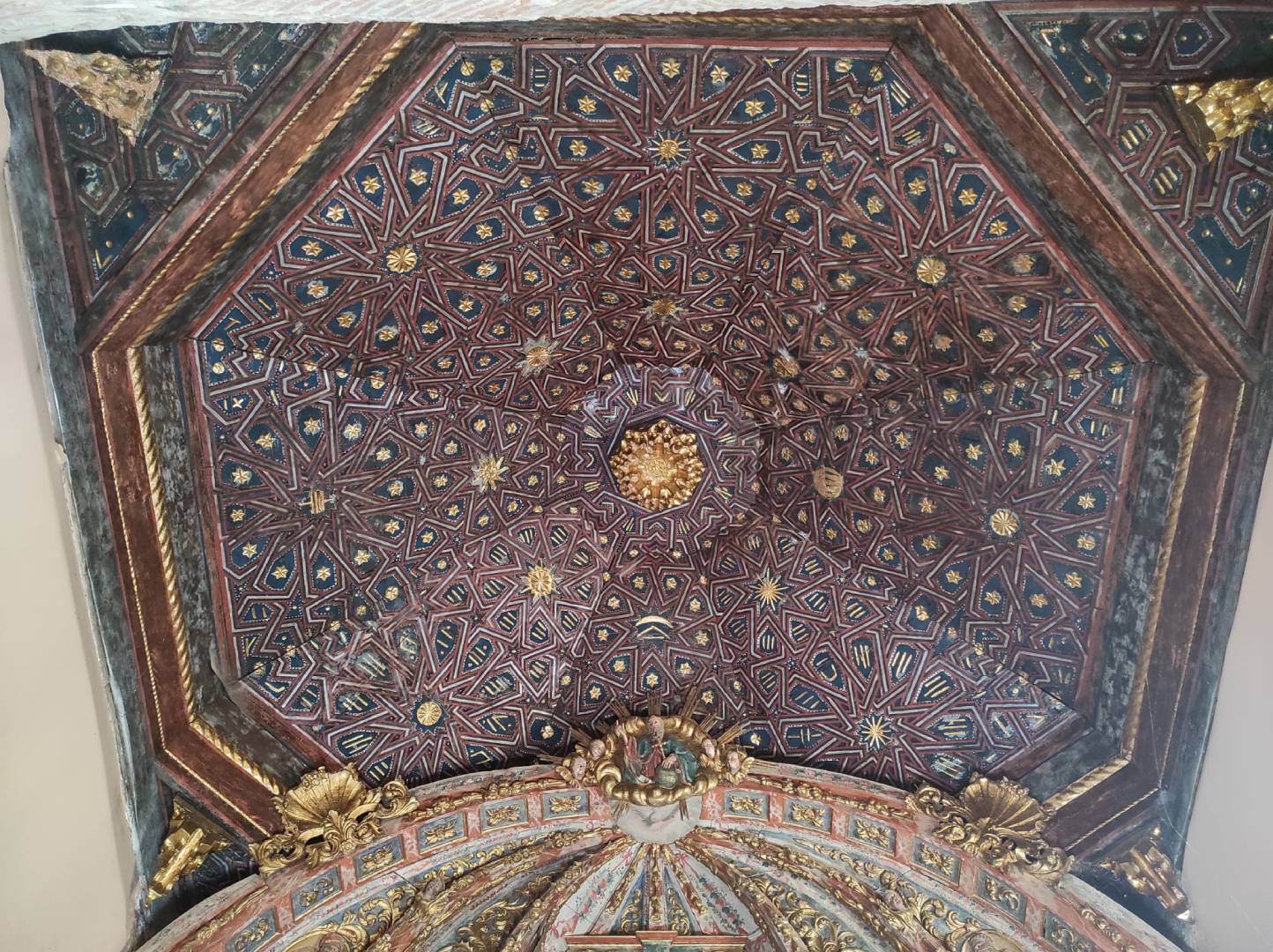
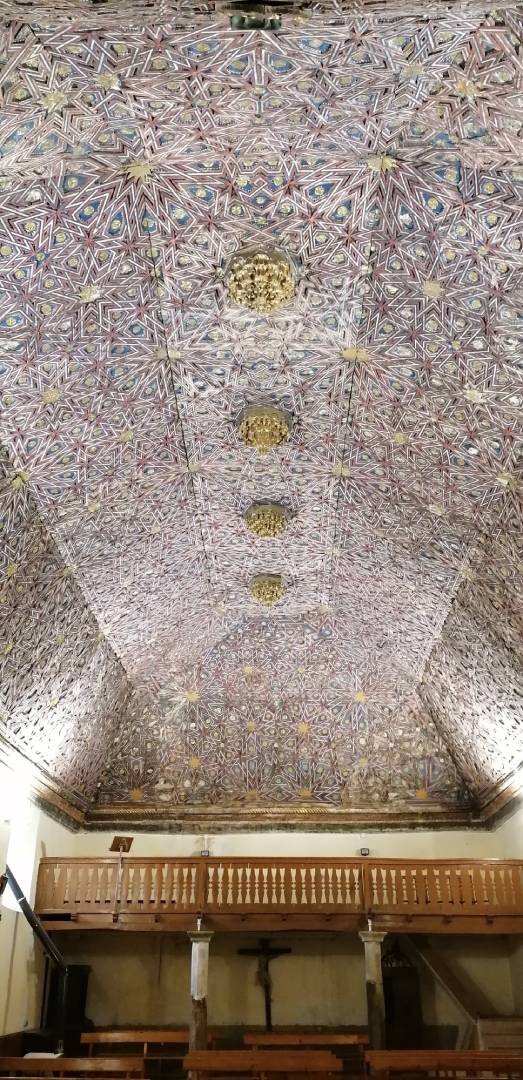
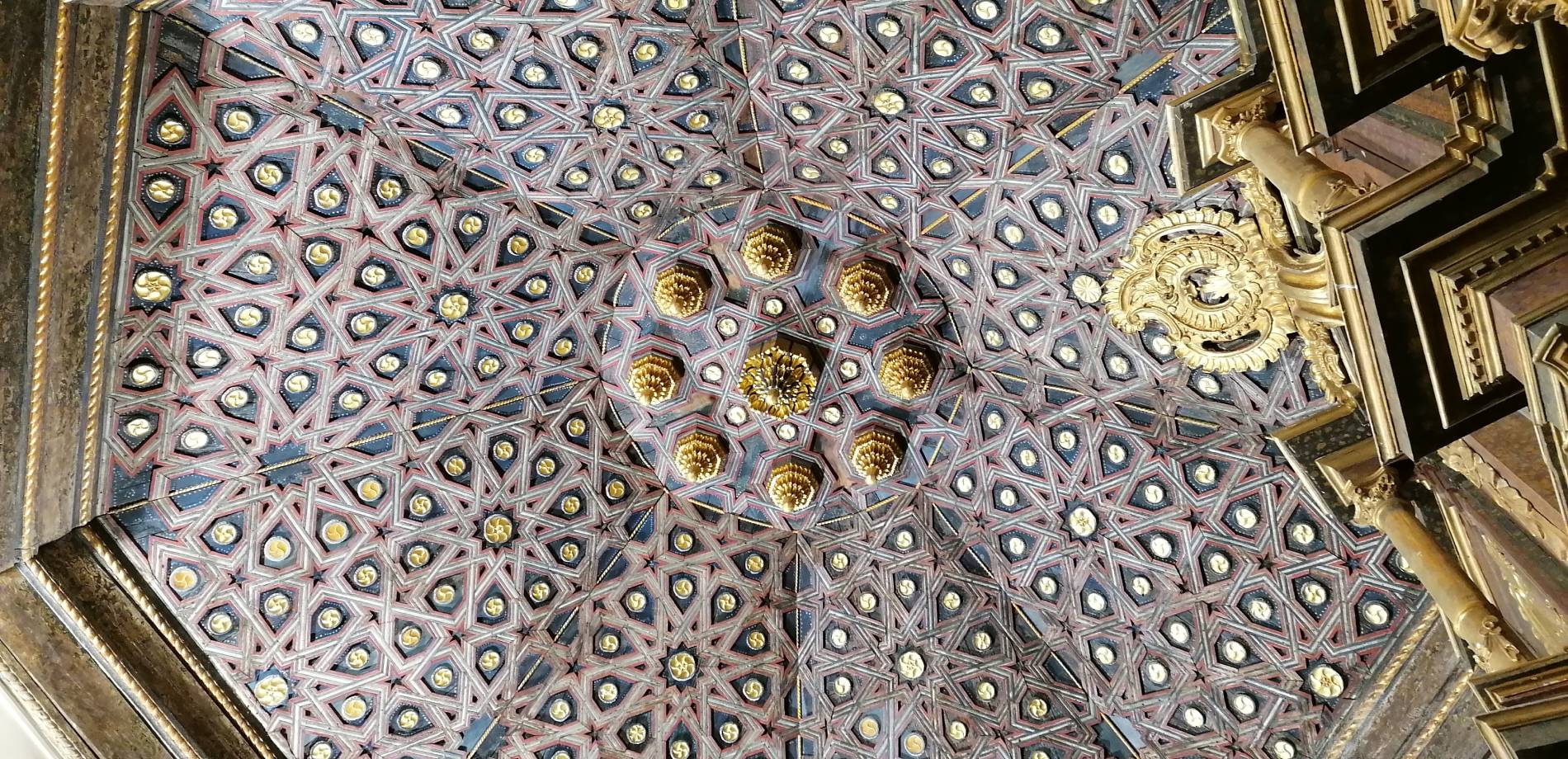
Castilla y León stands out as the autonomous community with the highest concentration of roof trusses, and the southern part of the province of Leon boasts an unparalleled wealth of coffered ceilings. The little-known Mudéjar treasures scattered throughout western León, a region linked by the Silver Route (Vía de la Plata), a vital Hispanic communication corridor, are the driving force behind this initiative. It originated from a crowdfunding campaign to restore the coffered ceiling of the Church of Santiago in Valcabado del Páramo . This project has demonstrated to institutions that small, often overlooked heritage sites can be the driving force behind inland cultural tourism.
A total of thirteen Mudejar pieces, each with its own record, each with its own personal history, decorate this Mudejar route that is structured around the Silver Route , running through the north of the province of Zamora and the west of the Province of Leon.
Image gallery
What to see?
 Church of San EstebanMore information
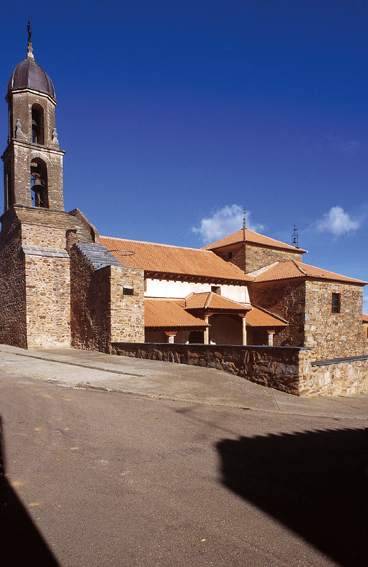
The church was built in the XV century. Of Templar origin, the building has a beautiful coffered ceiling, jewel of the Mudejar style of the XVI century. In this temple, that stopped to be a parish in 1896,...
 Church of Santa EulaliaMore information
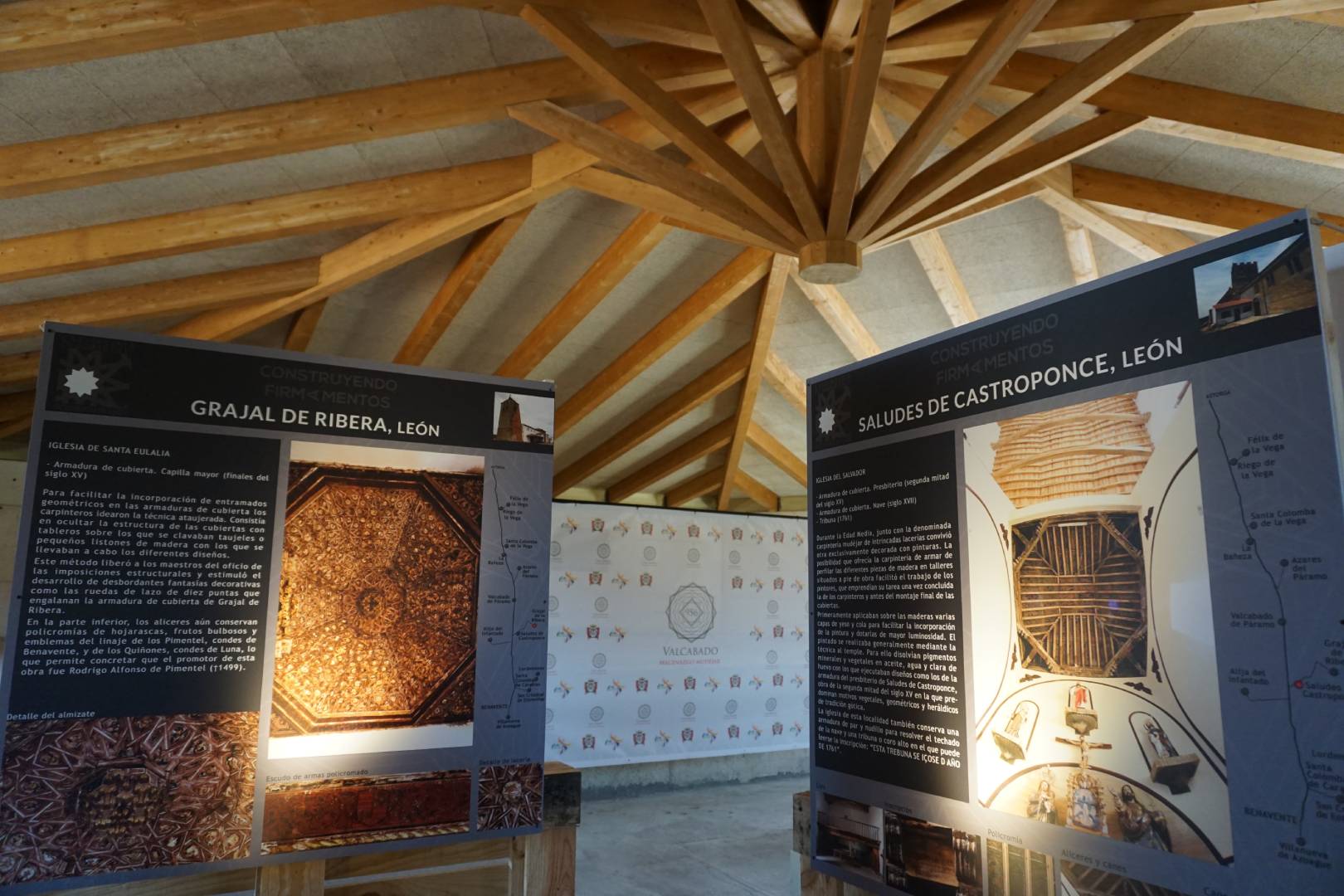
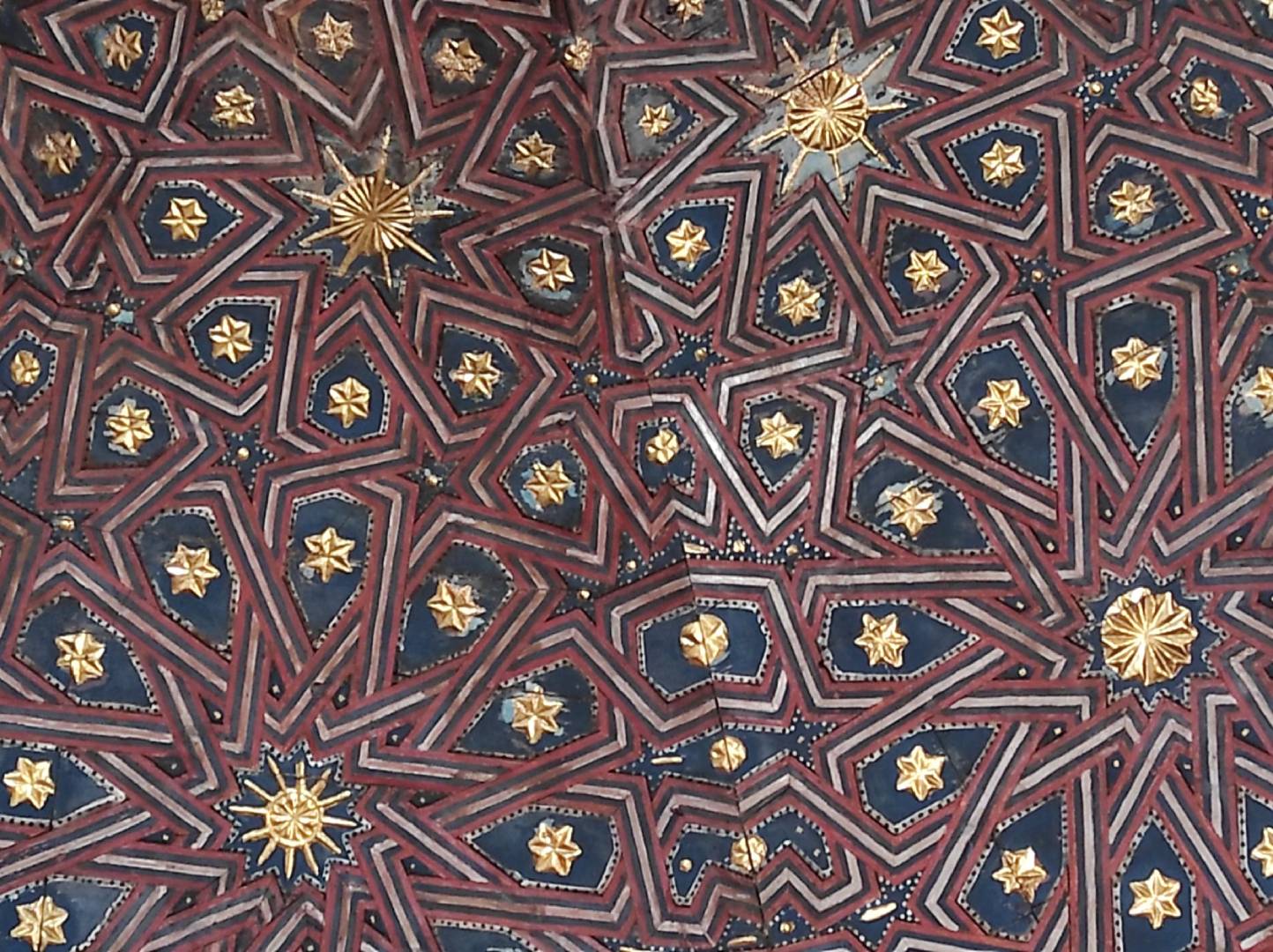
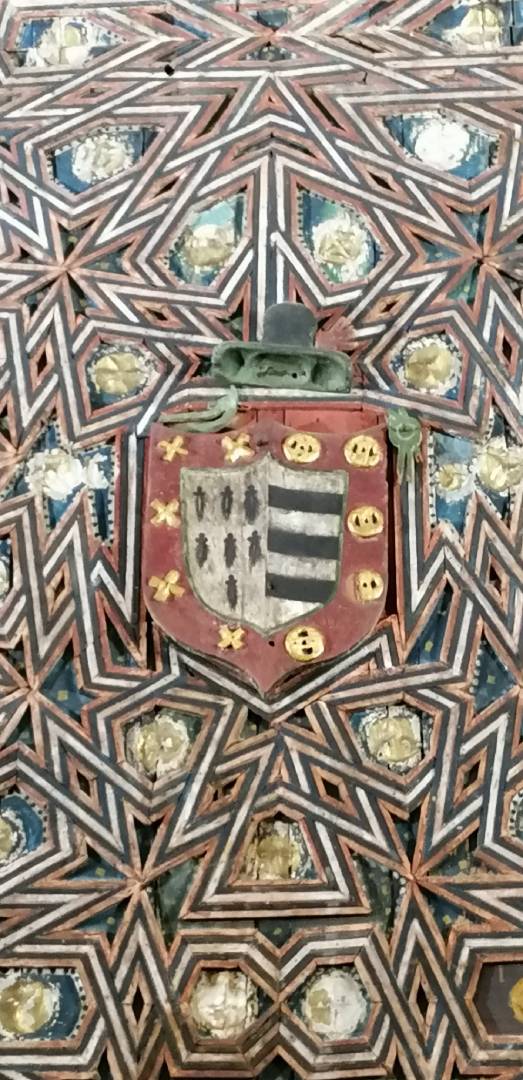
To facilitate the incorporation of geometric frameworks in the roof reinforcements, the carpenters devised the ataujerada technique. It consisted of hiding the structure of the roofs with boards on which...
 St. Mary's ChurchMore information
Upon entering the church of Santa María de La Bañeza, no one can imagine the wooden treasure that is hidden behind the vault of its central nave. And since the Baroque arrived in the Spanish arts in the...
- St. Peter's ChurchMore information
The church of San Pedro de Lordemanos is presented as a magnificent testimony of the possibilities that carpentry offered for assembly and its adaptation to different needs and uses. In addition to the...
- Church of the SaviorMore information
During the Middle Ages, along with the so-called Mudejar carpentry of intricate lacework, there coexisted another exclusively decorated with paintings. The possibility that carpentry offered to profile...
- Church of Our Lady of CañoMore information
The most complex way to incorporate lacework into the deck armor was through the combed technique. The procedure was based on composing geometric designs with the construction elements of the roof, so...
- St. Felix ChurchMore information
The 17th century marked the beginning of the slow decline of assembly carpentry, as Diego López de Arenas bitterly recalled in his Brief compendium ofwhite carpentry printed in Seville in 1633: "bad apprentices...
 Church of Santiago ApóstolMore information
The master carpenters carried out their trade on an itinerant basis. Accompanied by the officers and apprentices of their workshop and provided with their work tools, they traveled to the different destinations...
 Church of Santa Colomba de la VegaMore information
Church with mudéjar coffered ceilings from the 14th / 15th century that covers both the single nave and the main chapel, with an exuberant geometric decoration formed by loop wheels and striking paintings....