Chemin de la Langue - Ávila
- Données de la route
- Dénivellation montée
- 1131 m.
- Antérieur
- Suivant
Lors de son passage à Ávila, le Camino de La Lengua (chemin de la langue) tourne autour de deux personnages; Santa Teresa de Jesús et San Juan de la Cruz, figures qui ont créé un des courants littéraires de style religieux les plus importants du XVIe siècle: le courant mystique. Étant dans l’impossibilité de communiquer leur union à Dieu, ils apportèrent la fonction réelle de la langue aux lettres: transmettre au moyen de mots les sentiments et les émotions spirituelles avec un grand réalisme.
De nos jours le souvenir des figures de Santa Teresa de Jesús et San Juan de la Cruz flotte dans les ruelles d’Ávila. Puis les auteurs de la Génération de 98 prendront le relais. D’une autre manière, Miguel de Unamuno, Pío Baroja et Azorín dessinent la ville d’Ávila avec leur plume et, ainsi, ils contribuent à accroître l’universalité de la ville.
Référence au contenu
Que voir?
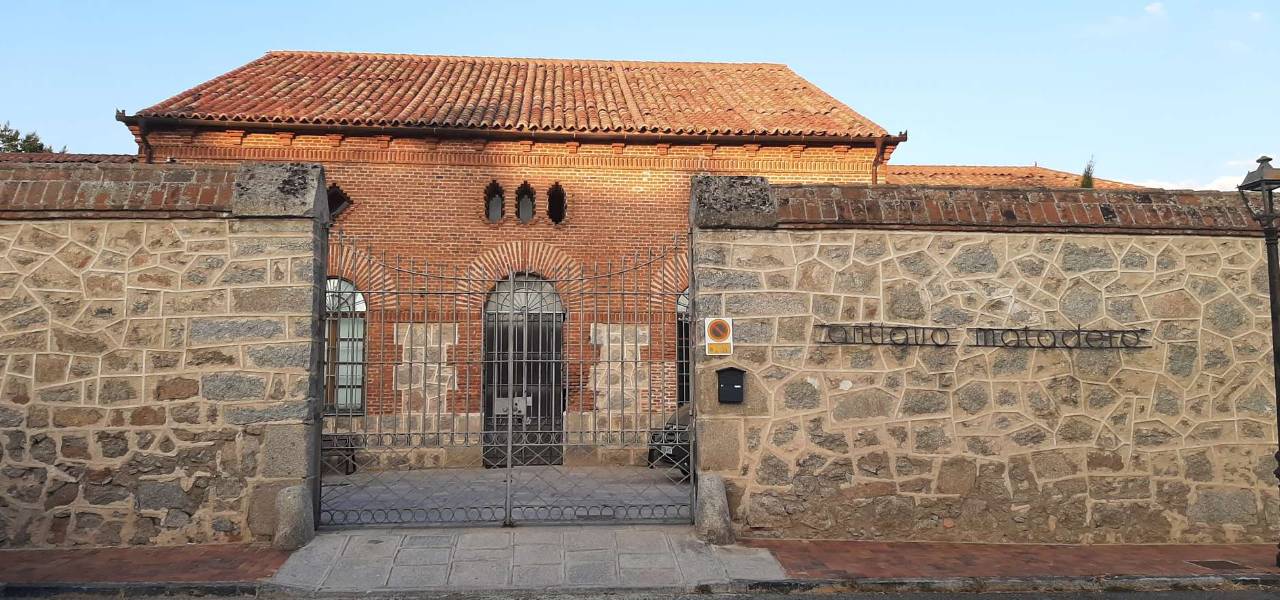 Abattoir d'ÁvilaPlus d\informations
C'est un ouvrage en brique selon le projet de l'architecte Ángel Cossín. Il a été construit entre 1888 et 1890 près du Monasterio de la Encarnación, venant remplacer l'ancien abattoir de la ville. Bâtiment...
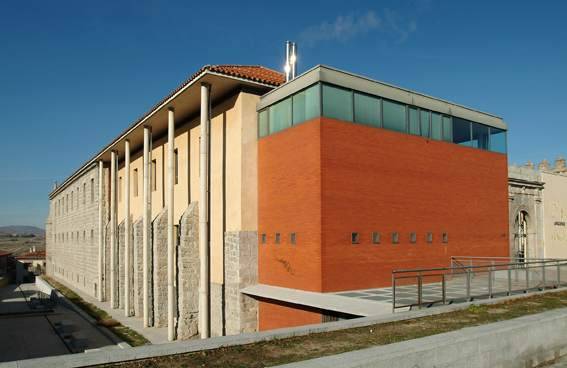 Archive Historique Provincial d'ÁvilaPlus d\informations
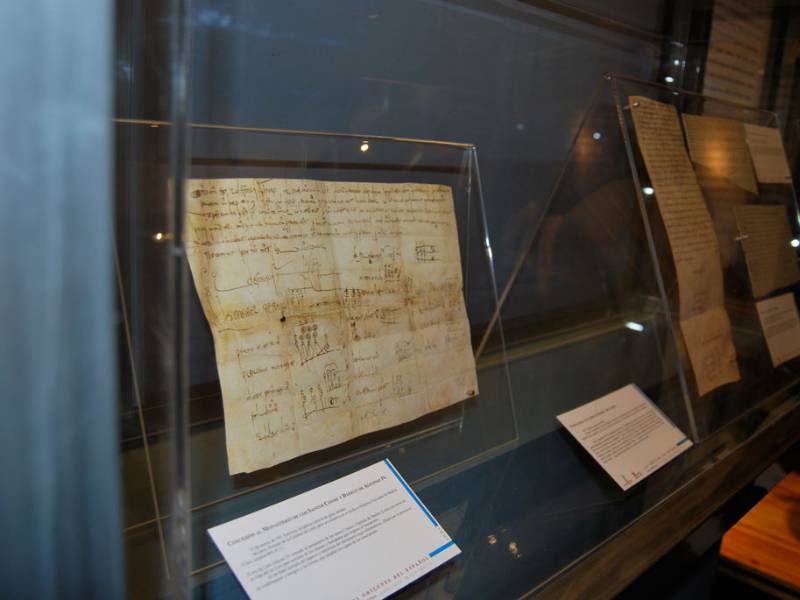
Créé par un décret des Ministerios de Instrucción Pública y Justicia en 1931, l’Archive Historique Provincial d’Ávila garde des documents depuis le Moyen Âge jusqu'à nos jours. Le bâtiment est situé dans...
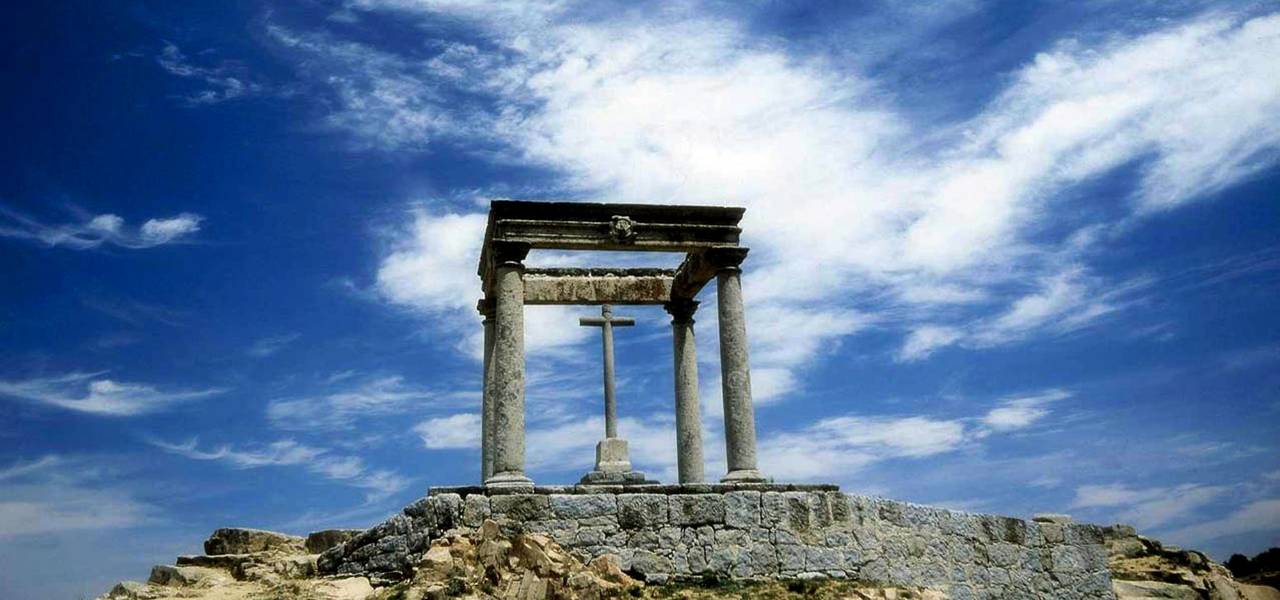 Cuatro PostesPlus d\informations
Monument de quatre colonnes, qui abrite une croix avec des architraves droites du XVIe siècle. Lieu lié aux épisodes de Sainte Thérèse et point idéal pour contempler le panorama de la ville fortifiée.
 Jardin de Moshé de LeónPlus d\informations
Situé en face de la Porte de la Malaventura, qui donnait accès à la juiverie quelques siècles auparavant, le jardin rend hommage au rabbin Moshé de León, qui vivait à Ávila (XIII siècle) et lequel a écrit...
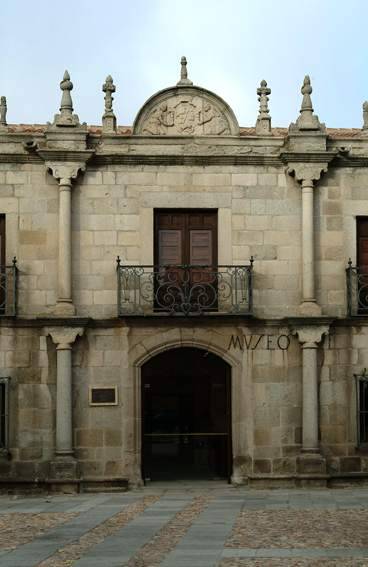 Maison des DeanesPlus d\informations
Construction du XVIème siecle pour la residence de la haute hierarchie du chapitre de la cathedrale, avec des colonnes lisses a soubassements a chapiteaux et lunette centrale aux armes de la cathedrale....
 Moulin de la LosaPlus d\informations
Près du pont romain d’Ávila et de la rivière Adaja se trouve le Moulin de La Losa, qui fut utilisé pendant des siècles jusqu’en 1985, date où il fut transformé en un restaurant. À présent, nous pouvons...
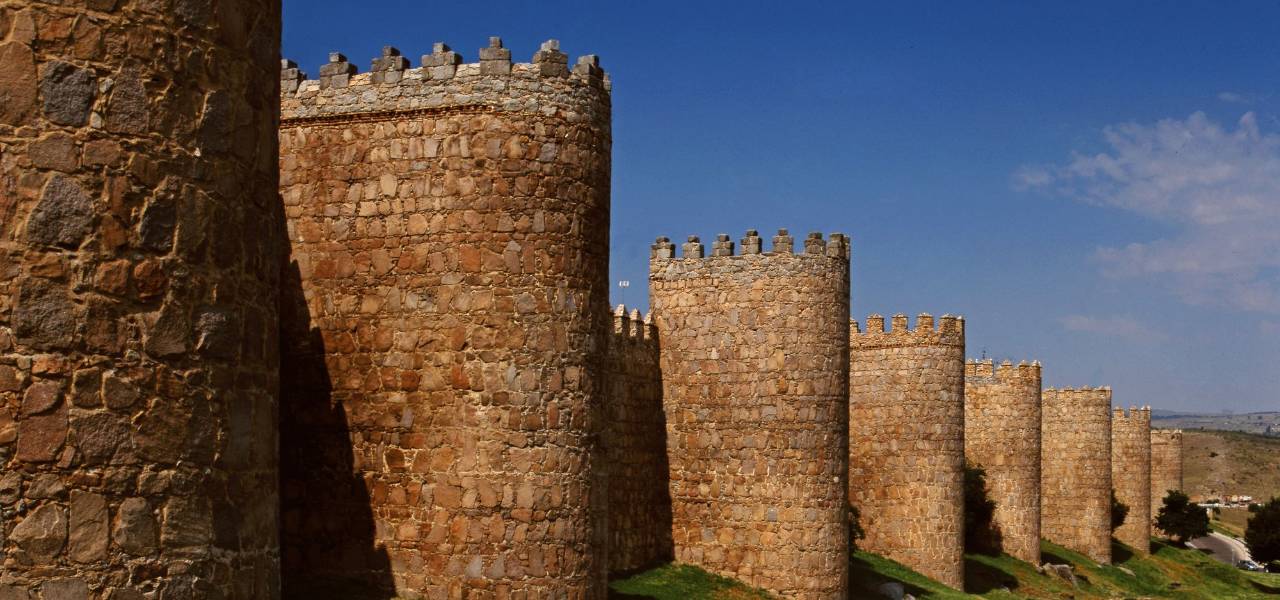 Murailles et Portes d'ÁvilaPlus d\informations
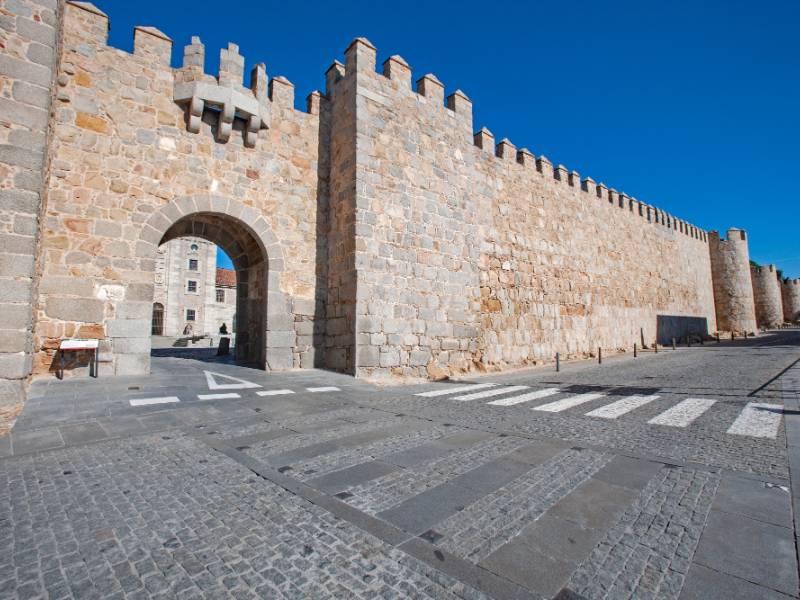
Comptant 2.516 mètres de périmètre, cette muraille spectaculaire fut réalisée à des fins défensives, en profitant les restes de vieilles édifications romaines et des stèles funéraires La muraille actuelle...
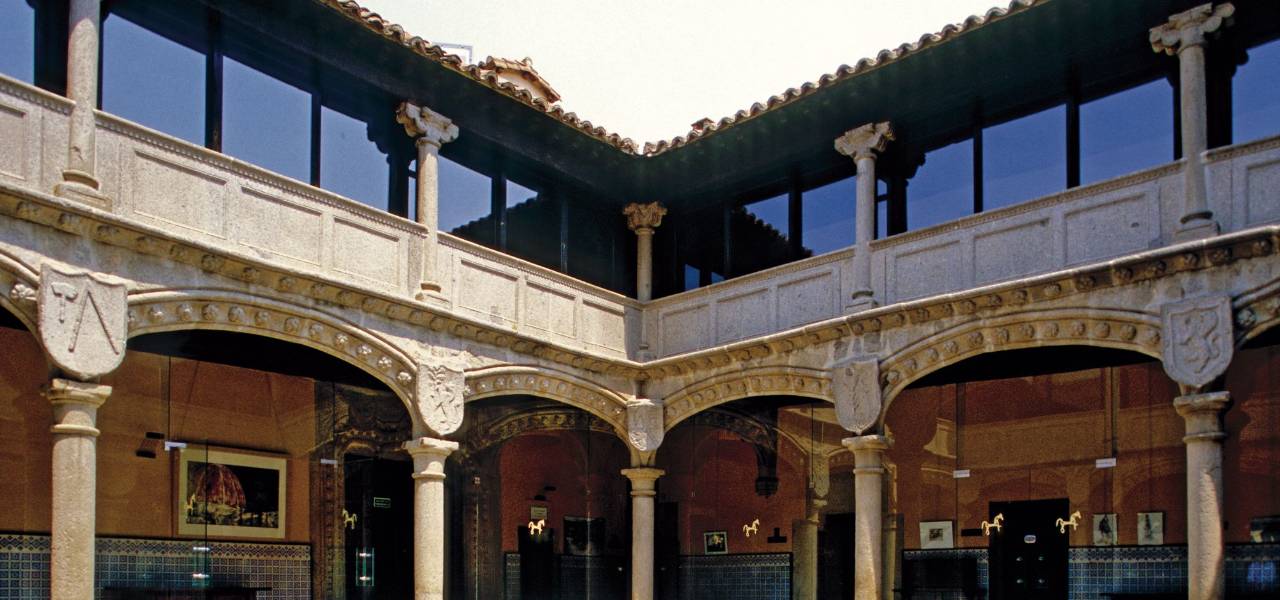 Palais - Grande tour de los GuzmanesPlus d\informations
Palais dit aussi des Muxica et Oñate construit lors des Xe et XVIe siècles, de style gotique et renaissance, présentant un appareillage de pierre et de maçonnerie finie par des créneaux tribolés et des...