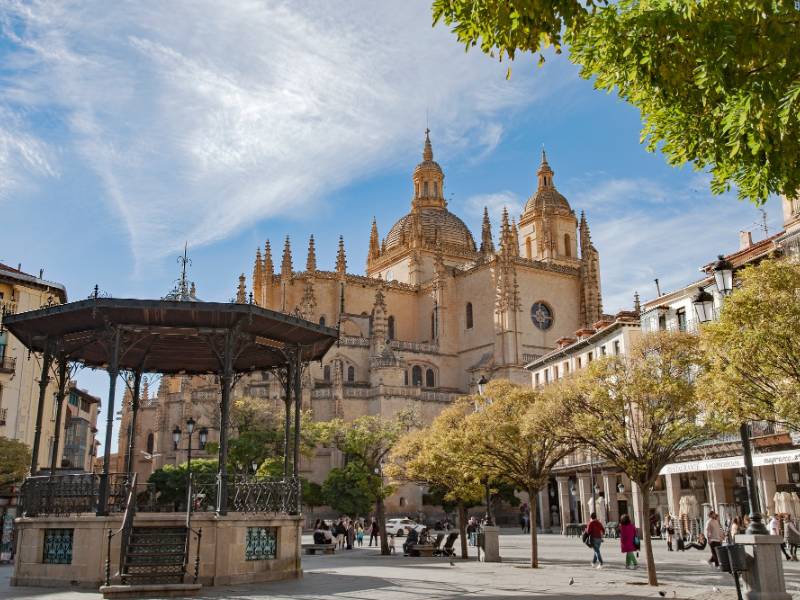
Traces de Thérèse d'Ávila - Ségovie
- Antérieur
- Suivant
Thérèse d’Ávila mena à bien à Ségovie la neuvième fondation, qui fut sur le point d’échouer à cause de Chanoine vicaire général. Ce serait dans ce Couvent de Saint-Joseph des Carmélites déchaussées où elle commencerait à écrire son dernier livre, ‘Las Moradas’.
Référence au contenu
Que voir?
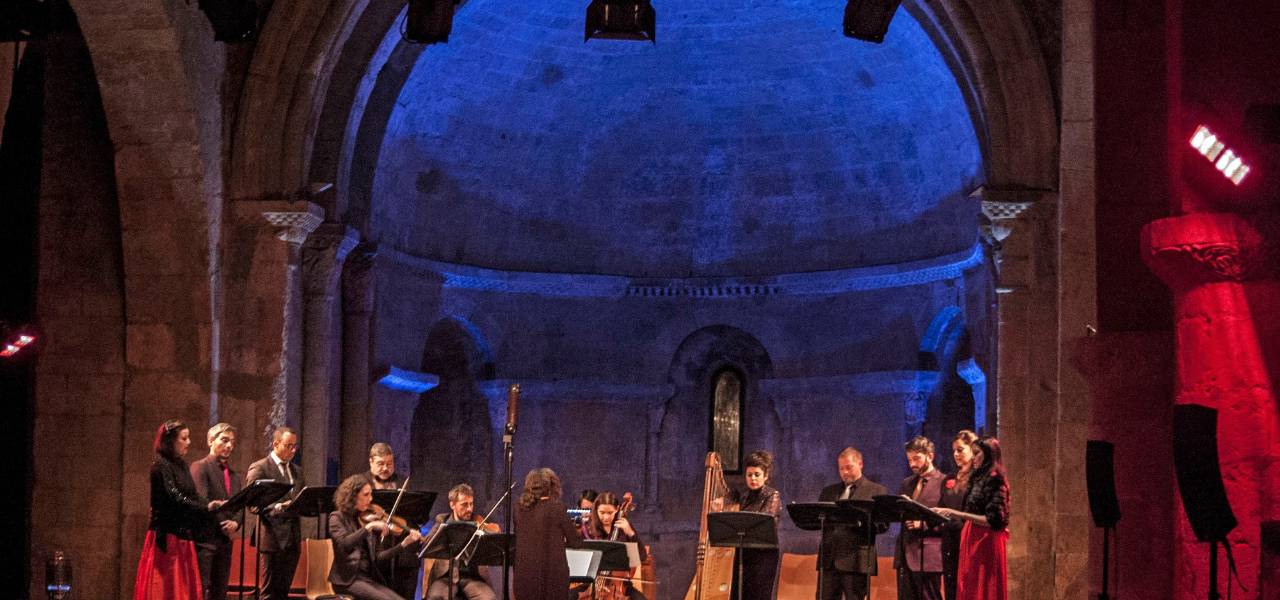 Semaine de la musique sacrée de SégoviePlus d\informations
À l'occasion de la Semaine Sainte, la Fondation Juan de Borbón organise chaque printemps la Semaine de la musique sacrée de Ségovie , l'un des cycles les plus anciens de la scène musicale espagnole. La...
- Date
- aprox del 20 de marzo al 15 de abril
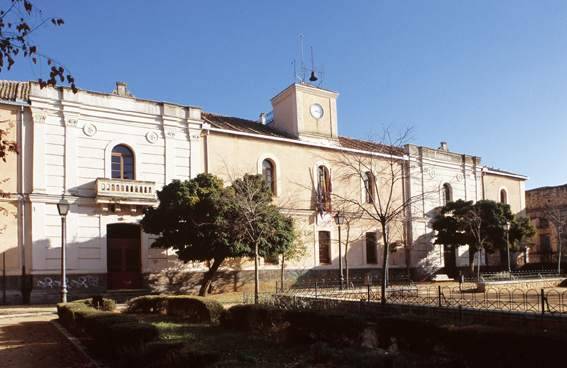 Ancien Institut d'Enseignement Secondaire "Mariano Quintanilla"Plus d\informations
Ancien collège de jésuites, avec une façade baroque résultant de la restauration réalisée à la moitié du XVIIIe siècle, suite à un incendie qui a détruit le reste des objets du monastère.L'ancien lycée...
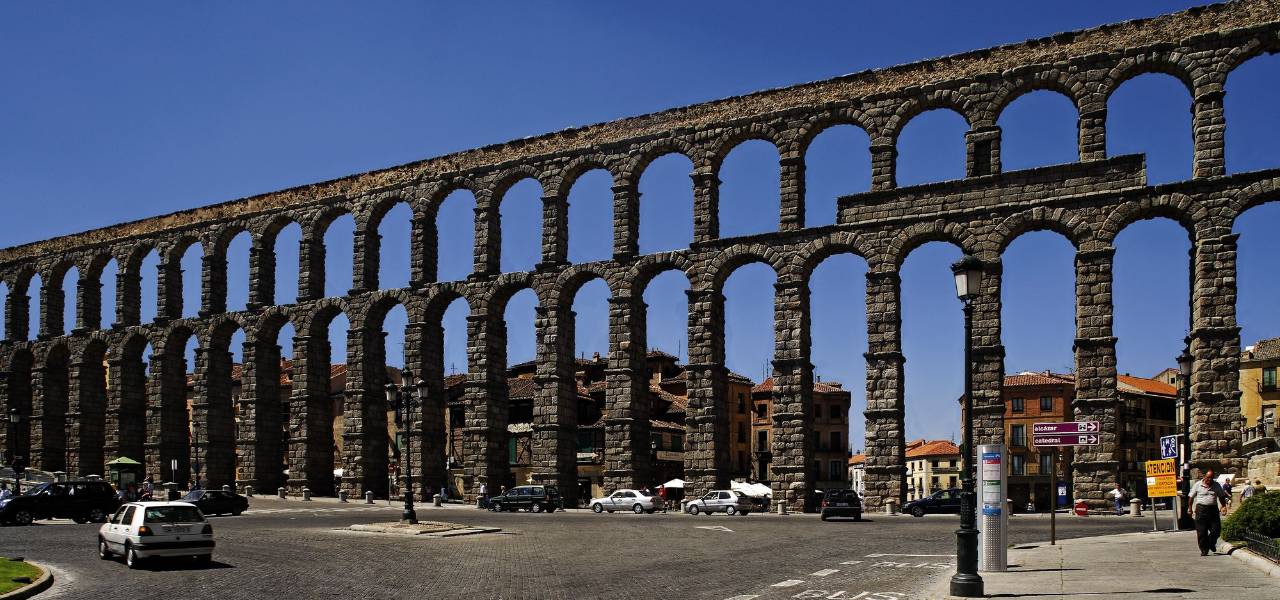 Aqueduc de SégoviePlus d\informations
Aqueduc du Ie siècle, à l’époque des flaviens, et de Nerva ou Trajan. Ses 166 arcs en pierre granitique de la rivière Guadarrama sont construits en pierres de taille sans aucune sorte de mortier grâce...
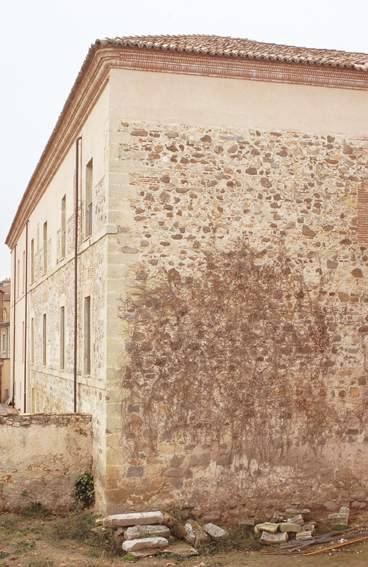 Archives historiques provinciales (Manoir)Plus d\informations
Le palais, sur sa façade principale, est adapté à la topographie de la rue à pente prononcée avec ses deux étages en haut et trois à la fin de celle-ci. Elle consistait à de différents voussoirs de fenêtres...
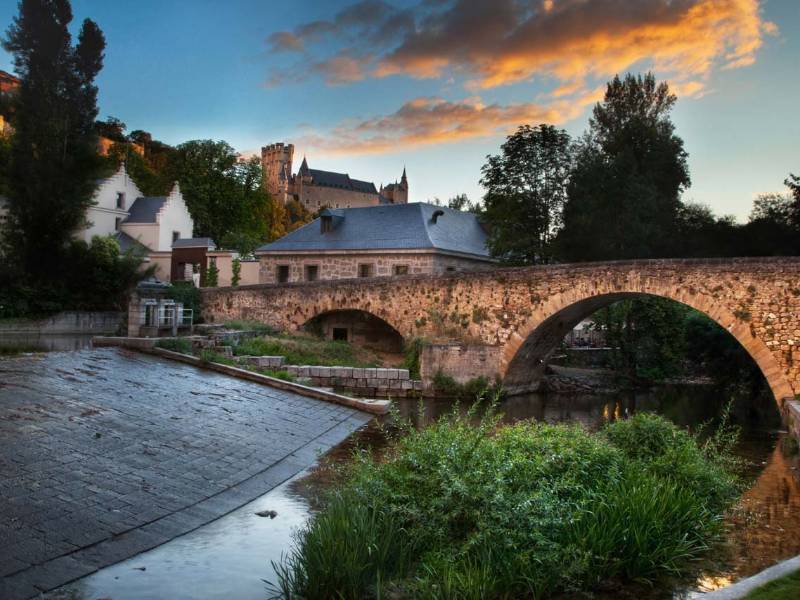 Ensemble boisé et promenade de SegoviaPlus d\informations
L’ensemble boisé et la promenade de Segovia est un de ces endroits où l’on peut profiter d'un paysage de conte de fées, de couleurs, de rêve. Visiter les environs de Segovia est peut-être explorer un des...
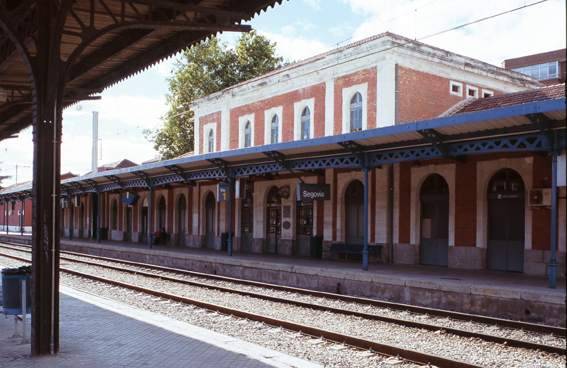 Gare de SegoviaPlus d\informations
Construction de 1888 qui contient la plupart des rares exemples de l'architecture industrielle du fer du XIXème siècle à Segovia. Un bâtiment longitudinal parallèle aux voies dont la partie centrale, de...
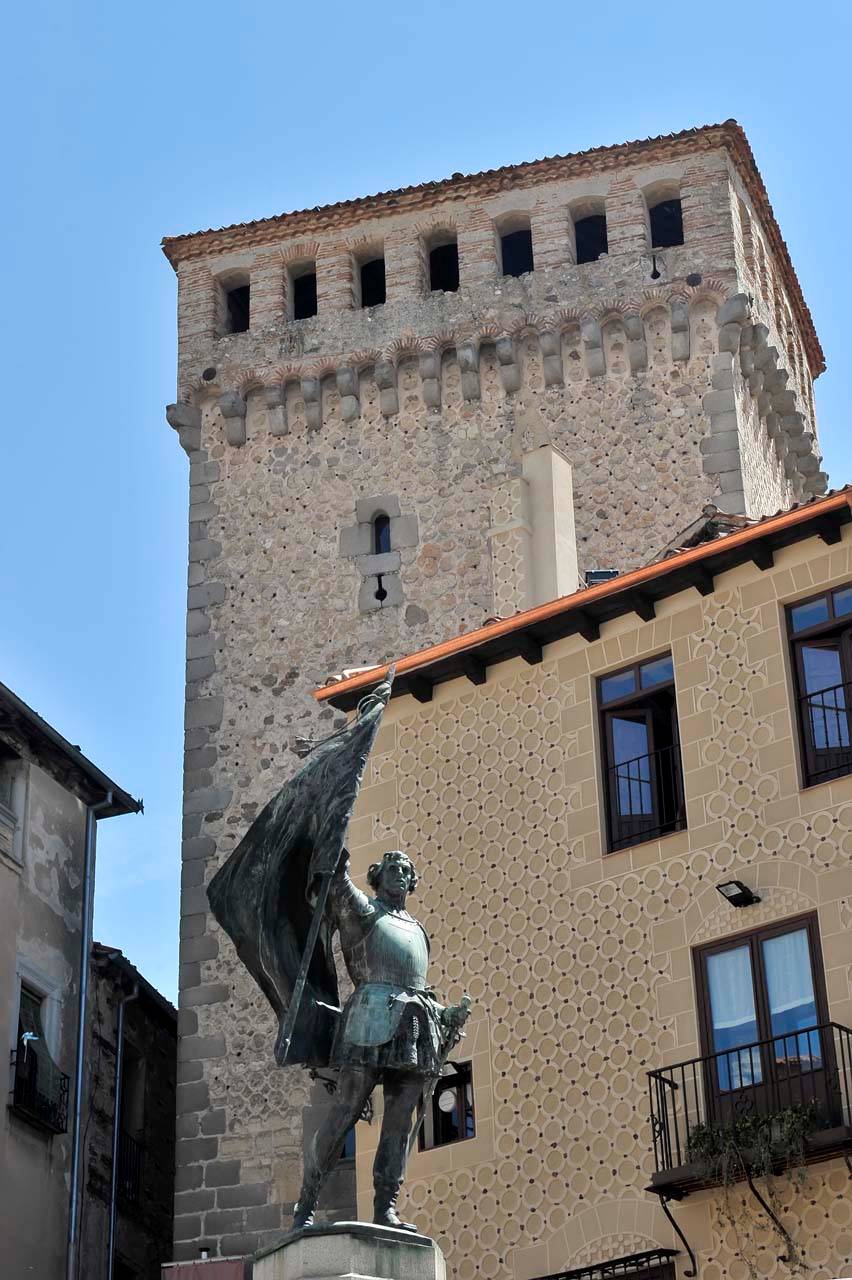 Grande tour de Lozoya. Musée de la Fondation Caja SegoviaPlus d\informations
Tour defensive du XVIe scieve. A l'interieur, deux cours de style renaissance.
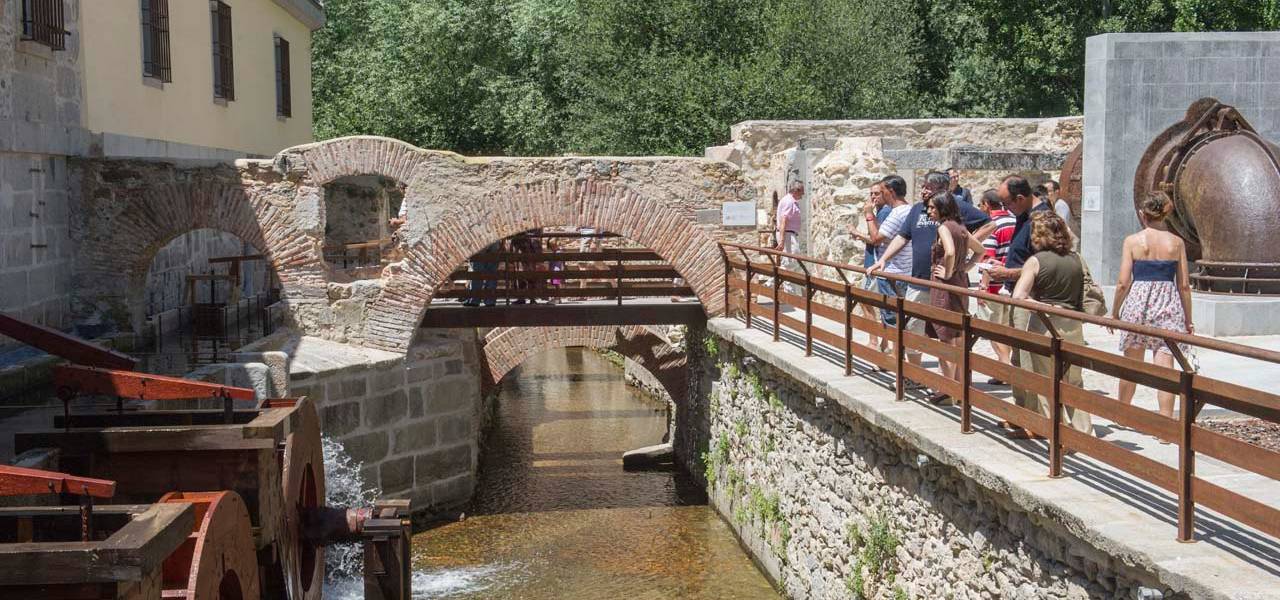 Maison Royale de la MonnaiePlus d\informations
Le bâtiment a été construit entre 1583 et 1586 par l’architecte royal de Felipe II, Juan de Herrera, avec la fondation et patronage du monarque lui-même. Il a été agrandi au XVIIIe siècle par Carlos III,...
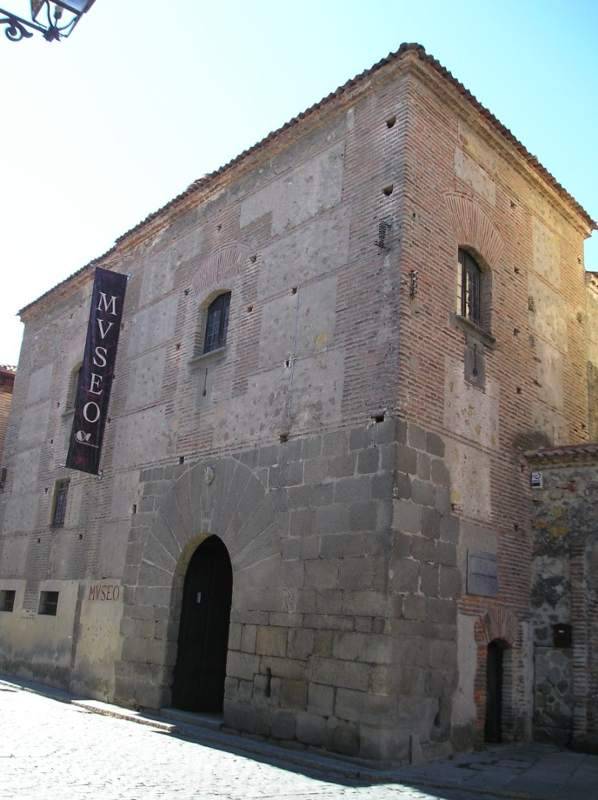 Maison de l'Hidalgo ou des ContrerasPlus d\informations
Simple et modeste palais nobiliaire vers l'année 1500, qui appartint d'abord aux Ducs de Almenara et après à la famille des Contreras. De caractéristiques populaires et avec influences mudéjares, il représente...