Via de la Plata - Salamanca
- Route Data
- Ascent slope
- 802 m.
- Previous
- Following
Tradition has it that as soon as pilgrims began to make their way along this route leading from the south, Salamanca became renowned for its hospitability, offering board and lodging in several places, including one situated on San Vicente Hill and run by the Cluniacs, dedicated benefactors of this pilgrimage route.
Reference to content
What to see?
 Convent of San Juan de la CruzMore information
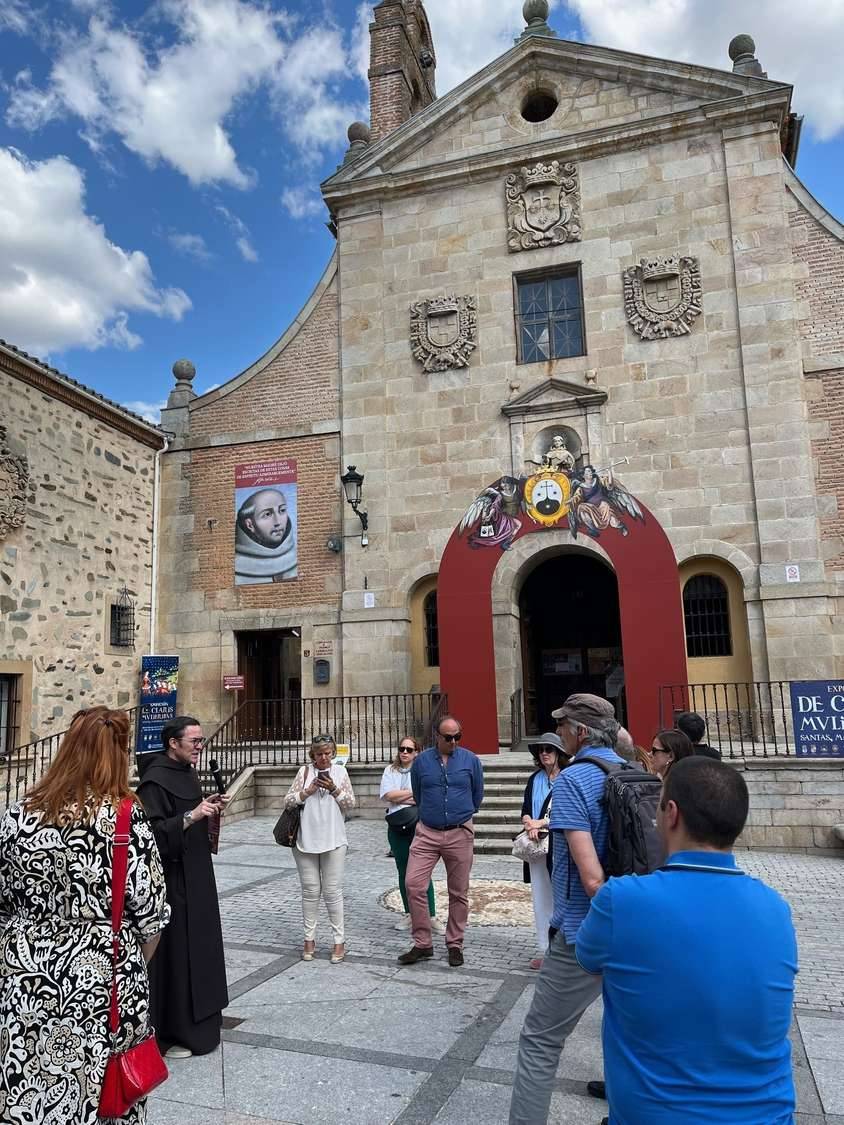
The Convent of San Juan de la Cruz was completed in 1692. It is the first church and the first convent in the world dedicated to this saint and its entire structure and distribution, in convent and church,...
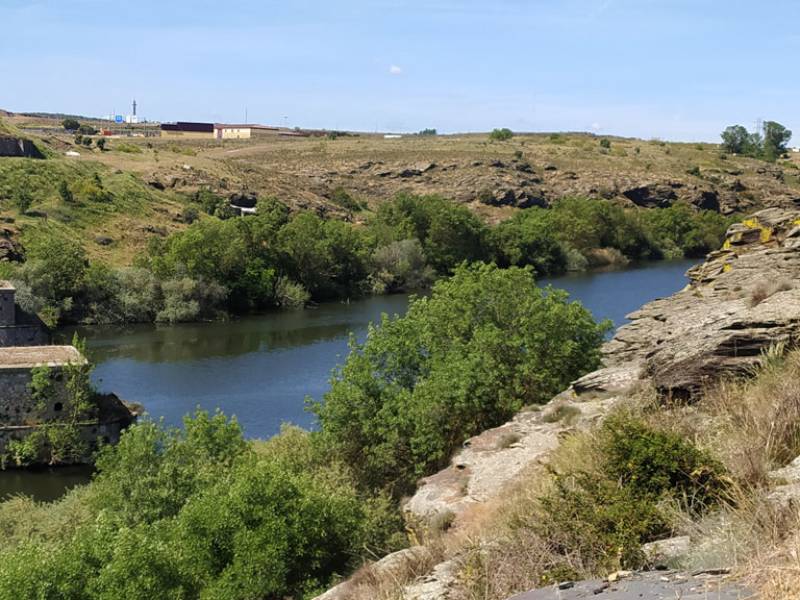 Archaeological Site of the Paraje De La SaludMore information
This outstanding set of open-air rock art, located near the city of Salamanca, on the banks of the Tormes River, was discovered in 2007.It is made up of several panels on slate blocks that protrude from...
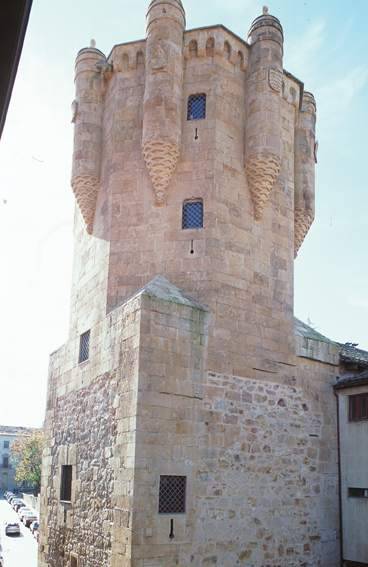 Tower of the ClaveroMore information
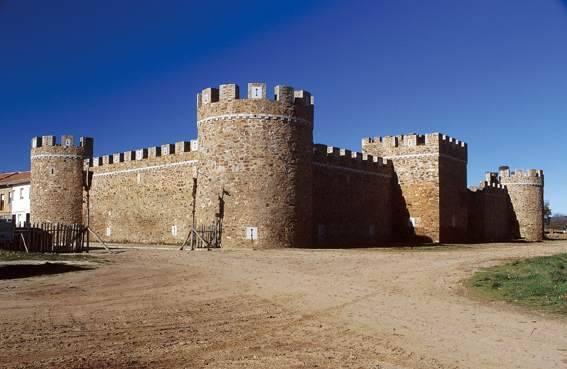
Its construction dates from the mid XV century, attributed to the key-holder of the order of Alcantara, M. Diego de Anaya and to M. Francisco de Sotomayor, whose shields are on the outside.It has a square...
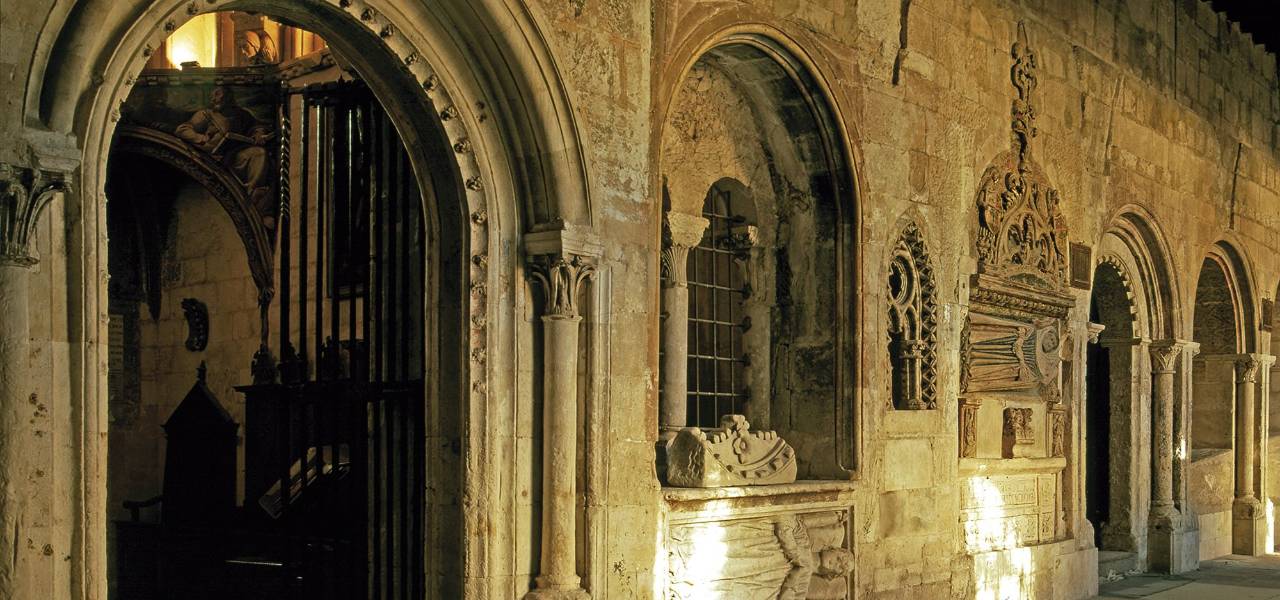 Cathedrals of SalamancaMore information
Salamanca boasts two cathedrals that stand side by side. The New Cathedral is built in the Gothic style while the Old Cathedral offers visitors the chance to admire a truly magnificent Romanesque monument.
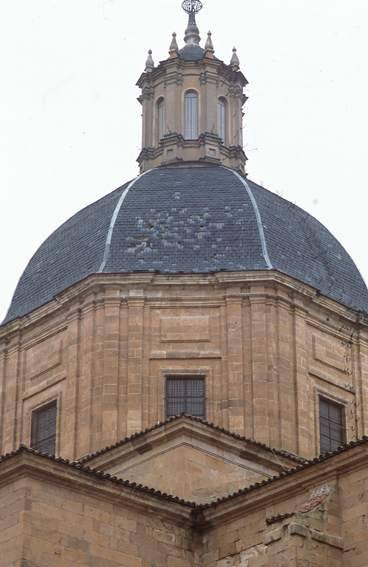 Church of the Purisima (Inmaculada de Ribera)More information
Started in 1636, it follows the artistic norms of the Neapolitan Baroque. Particularly noteworthy is the main altarpiece, which contains a painting of the Inmaculada by José Ribera.It has five beautiful...
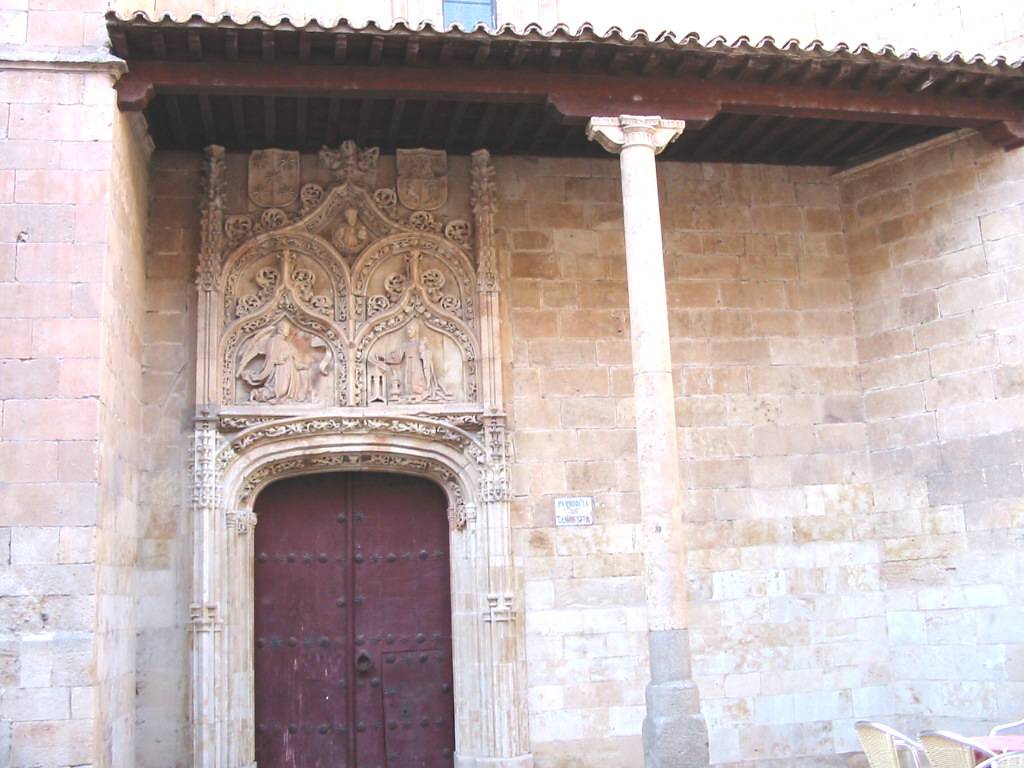 Church of San BenitoMore information
Founded in 1104, this church occupies a privileged place in the history of Salamanca because one of the factions in which the city was divided during the low Middle Ages was named after it.The present...
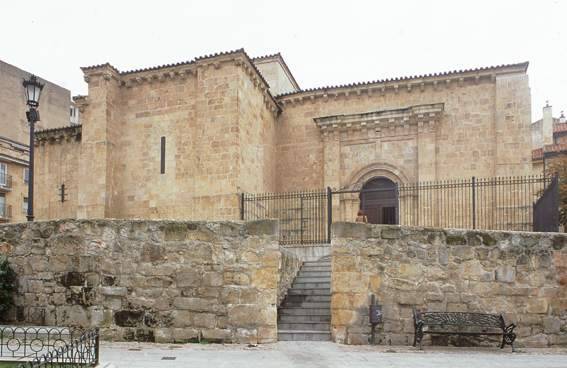 Church of San CristobalMore information
Romanesque church built in the 12th century, retouched in several different styles. On March 25th, 2000, it received the Europa Nostra Award, which acknowledges the conservation and recovery of the architectonic...
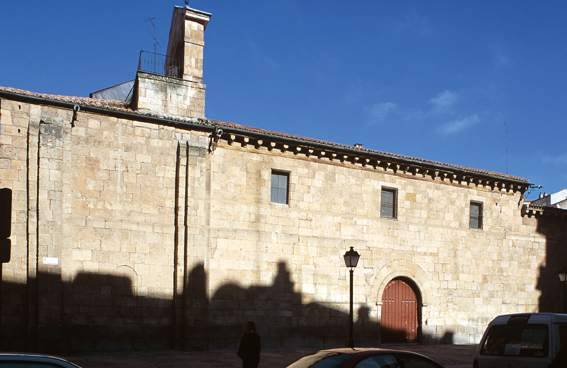 Church of San Juan de BarbalosMore information
Founded in the mid 12th century by the Orden del Hospital (Order of the Hospice). On the outside it preserves a Romanesque apse with three narrow windows with columns and supports sculpted in the entrance...
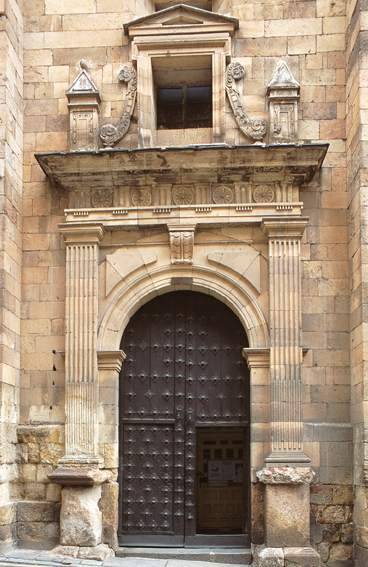 Church of San JulianMore information
The church is devoted to San Julián and Santa Basilisa. Construction is thought to have begun in the 12th century. The Romanesque north front, with its sculpted archivolts, plus some beam ends and an animal...